Unprecedented Exam System in Punjab Sparks Crisis for Class 8 Students
In a historic and controversial move within Punjab's education framework, Class 8 students enrolled in government schools across the province are facing significant uncertainty. This stems from the implementation of a split examination model and delays in announcing board results, creating a state of confusion and anxiety among thousands of pupils.
Dual Assessment Structure and Strict Pass-Fail Rules
The Punjab Examination Commission (PECTA) is directly responsible for conducting examinations in four specific subjects. Meanwhile, the remaining six compulsory and elective subjects are being assessed internally by the individual schools themselves. PECTA will then consolidate the marks from both the externally conducted papers and the school-based assessments to determine final outcomes.
A critical and stringent rule has been established: any student who fails even a single one of the four PECTA-administered subjects will be considered to have failed the entire Class 8 academic year. Such students will be mandated to repeat the class. The system explicitly does not allow for supplementary or re-sit examinations, leaving no room for remediation within the same academic cycle.

Concessionary "Star" and Quality Control Measures
In a notable concession, students achieving exceptionally high scores—specifically around 30 to 32 marks out of a total of 33 in the PECTA subjects—will be awarded a "star" and declared as having passed under this special provision.
To ensure transparency and maintain assessment quality for the school-based component, PECTA has instituted a validation process. A committee comprising teachers from other schools, appointed by PECTA itself, will re-check and validate 25% of the already assessed papers. This measure aims to uphold standards and fairness in the internal evaluation process.
Fierce Opposition from Teachers' Organisations
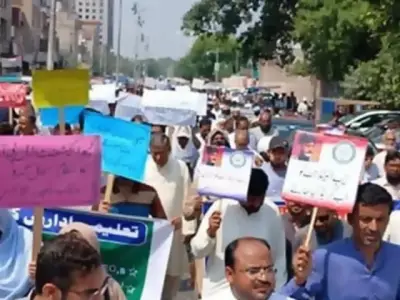
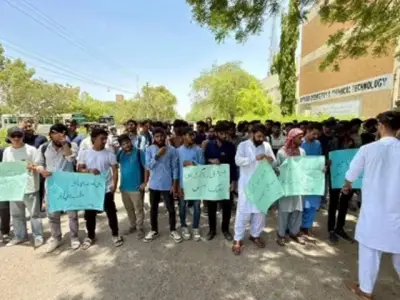
Teachers' unions and organisations have launched strong protests against this new examination policy. They argue that the system is fundamentally flawed and predict it will lead to a dramatic surge in student dropouts, severely impacting educational outcomes across Punjab.
Prominent teacher leaders, including Rana Liaqat, Basharat Iqbal Raja, and Shafiq Bhalowalia, have voiced their concerns. They highlighted that private schools have previously boycotted Class 8 board examinations due to similar systemic issues, indicating a precedent of discontent.
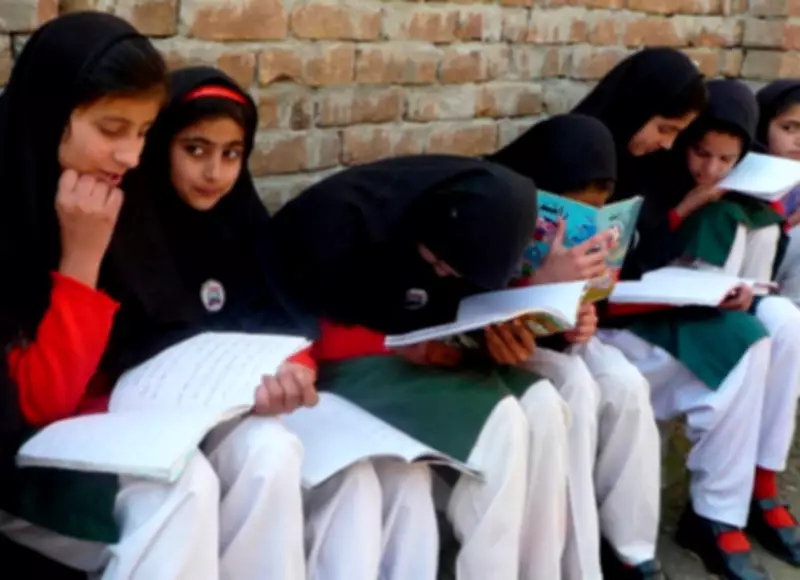
The educators emphasised that the policy poses a disproportionate risk to female students. Many girls already face societal and logistical challenges in attending school regularly. Failing them under this rigid system could push them out of the education system entirely. Similarly, male students who fail may opt to leave formal education to join workshops or seek informal employment, further diminishing the student population.
The collective warning from the teaching community is clear: this examination model is likely to result in a significant reduction in enrolment for Class 9 within government schools, undermining long-term educational goals and exacerbating dropout rates across the province.