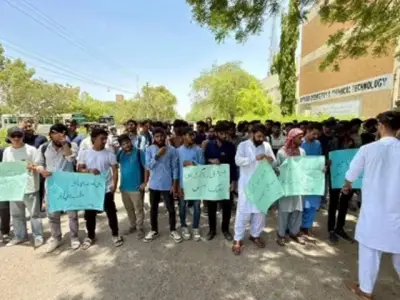
For a quarter of a century, the Happy Home Special Education School in Karachi's North Nazimabad area has been a beacon of hope and learning for children with disabilities. Now, this vital institution faces an existential threat, risking closure due to a protracted land lease dispute with the Sindh government.
A Legacy of Care Under Threat
The school's principal, Dr. Seema Afzal, has raised a desperate alarm. The institution, which has provided special education and rehabilitation services to hundreds of children with physical and mental disabilities since its founding in 1999, is operating on land leased from the Sindh government. The core of the crisis is the government's refusal to renew this lease, coupled with a staggering demand for over Rs. 100 million in outstanding dues.
Dr. Afzal argues that the demand is unjust. She states the school was established with the explicit understanding and support of the then-government, led by former Sindh Governor Moinuddin Haider. The facility was built to serve a critical social need, and the current financial claim threatens to erase 25 years of dedicated service to some of society's most vulnerable members.

The Human Cost of Administrative Disputes
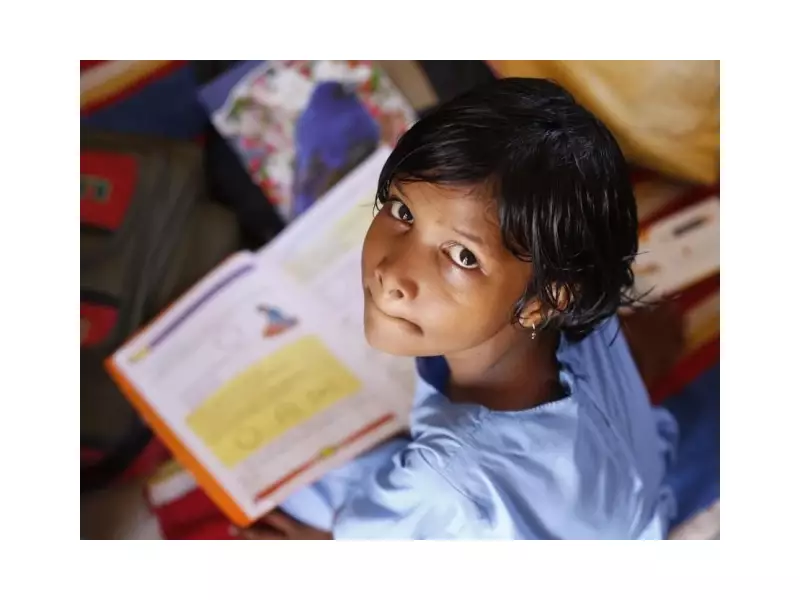
The potential closure is not merely an administrative issue; it carries a profound human cost. The Happy Home School is not just an educational center but a comprehensive support system. Its services include:
- Specialized education tailored to various disabilities.
- Essential physical and mental rehabilitation therapies.
- A safe and nurturing environment for children often marginalized elsewhere.
For the families relying on the school, its shutdown would mean the loss of a crucial lifeline. Parents of special needs children in Pakistan already face immense challenges in finding appropriate and affordable care. The closure of a long-standing, trusted institution like Happy Home would force many to retreat into isolation or struggle to find alternatives that may not exist.
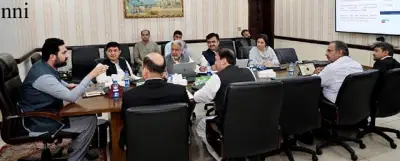
Dr. Afzal has made a passionate appeal to the highest levels of authority, including Sindh Chief Minister Syed Murad Ali Shah and Governor Kamran Khan Tessori. Her plea is simple: recognize the school's social service mandate and intervene to resolve the lease issue amicably. She emphasizes that the school is a non-profit entity run for charity, not a commercial venture.
A Call for Compassion and Policy Intervention
This standoff highlights a broader issue regarding the support for special education institutions in Pakistan. While governments may have legitimate claims over land and dues, there is a compelling need for policy frameworks that protect essential social services from being casualties of bureaucratic or financial disputes.
The case of the Happy Home Special Education School presents a critical test. Will the Sindh government find a compassionate and pragmatic solution that acknowledges the institution's invaluable contribution? Or will a 25-year legacy of empowering children with disabilities be lost over a ledger entry?
The coming days are crucial. The school's administration, the parents, and the children await a decision that will determine not just the fate of a building, but the future of an entire community that depends on the hope and education provided within its walls.