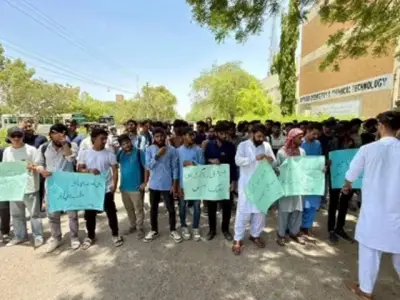
Allegations of Faculty Exploitation and Grade Manipulation Rock Educational Institutions
Disturbing reports have surfaced regarding unethical practices allegedly occurring within certain educational institutions, raising serious concerns about academic integrity and student welfare. It has been observed that a small number of teaching faculty members are reportedly misusing their authority by pressuring or intimidating students for personal or financial gain.
Grade Manipulation and Financial Demands
In particularly troubling instances, students claim they are deliberately failed without clear academic justification. Subsequently, these students are approached with informal "offers" suggesting their grades could be improved in exchange for money or other benefits. Such actions, if verified, constitute a grave violation of professional ethics and undermine the fundamental principles of fair assessment.
Furthermore, additional reports indicate students are threatened with academic penalties—including failure in semester examinations or artificial shortages of attendance—if they refuse to participate in seminars, trips, or activities that require financial contributions. This creates an environment of fear and coercion rather than fostering genuine learning and intellectual growth.

Impact on Economically Disadvantaged Students
The situation becomes particularly critical when considering the economic backgrounds of many students. A significant number struggle to pay their tuition fees and basic educational expenses, with some undertaking part-time or late-night jobs to support their studies. For these students, any additional financial pressure or intimidation can severely impact their academic performance and mental well-being, creating barriers to educational success.
Institutional Responsibility and Ethical Standards
Educational institutions are fundamentally meant to promote fairness, merit, and moral responsibility. Teachers, as mentors and role models, hold positions of trust and authority that demand the highest standards of professionalism and integrity. The exploitation of students not only damages individual futures but also undermines the credibility and reputation of institutions as a whole, eroding public trust in the education system.
Calls for Transparency and Accountability
There is an urgent need for relevant authorities to ensure transparency, accountability, and the strict enforcement of ethical standards within academic departments. Establishing confidential complaint mechanisms and robust monitoring systems could help protect students from potential exploitation while maintaining the integrity of educational processes.
Education should empower students through knowledge and opportunity, not intimidate them through coercion and financial demands. The current allegations highlight systemic vulnerabilities that require immediate attention and reform to preserve the sanctity of academic institutions.