In a significant development for medical education across Pakistan, the Pakistan Medical Commission has announced major reforms to attendance requirements for MBBS and BDS programs. The decision has been warmly welcomed by student associations nationwide who have long advocated for more flexible policies.
Revised Attendance Policy Details
The Pakistan Medical and Dental Council, now operating as the Pakistan Medical Commission, has officially revised its mandatory attendance policy for medical and dental colleges. The new regulations allow students to appear for professional examinations with a minimum of 75% attendance, a substantial change from previous requirements that demanded higher attendance percentages.
This policy shift comes after extensive consultations with various stakeholders in the medical education sector. The decision recognizes the diverse challenges faced by medical students across different regions of Pakistan, including transportation issues, family responsibilities, and the need for self-directed study time.

Student Association Reaction
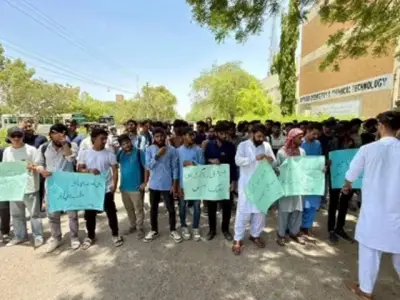
The Baloch Students Council and other student organizations have expressed strong support for the PMDC's decision. Student representatives have described the move as "student-friendly" and "progressive" in its approach to medical education reform.
According to statements released by student associations, the previous attendance policies often created unnecessary barriers for dedicated students who maintained strong academic performance but faced genuine difficulties in meeting strict attendance targets. The revised policy acknowledges that attendance alone shouldn't be the sole determinant of a student's eligibility for examinations.
Impact on Medical Education
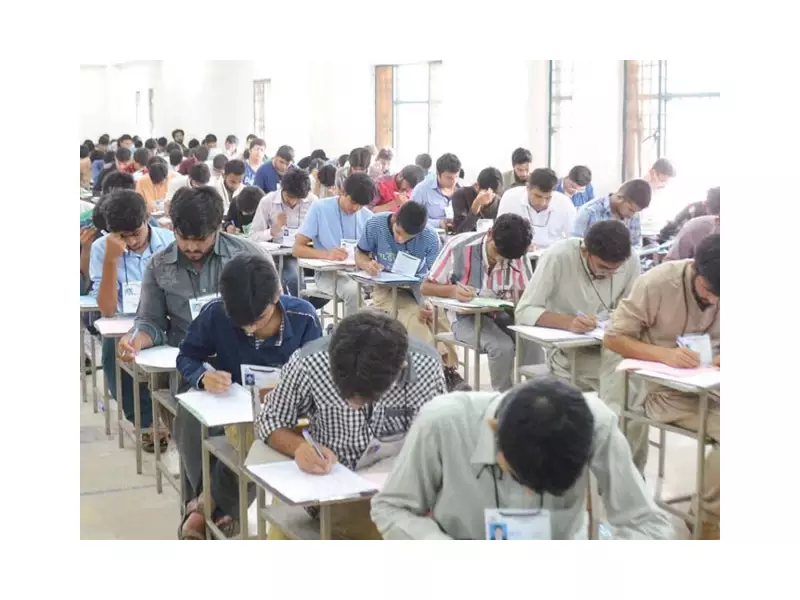
The reformed attendance policy is expected to have several positive effects on medical education in Pakistan. Medical colleges and universities will now implement the 75% attendance threshold as the standard for allowing students to sit for their professional examinations.
This change is particularly significant for students in remote areas of Pakistan where transportation challenges and infrastructure limitations often make consistent attendance difficult. The policy demonstrates the PMDC's commitment to creating a more inclusive and practical medical education system that considers the ground realities faced by students across the country.
Educational experts believe this reform will help reduce the stress and anxiety commonly experienced by medical students while maintaining the necessary academic standards. The focus shifts from mere physical presence to actual learning outcomes and academic performance.
The Pakistan Medical Commission continues to emphasize the importance of regular attendance while providing reasonable flexibility for genuine cases. Medical institutions are expected to maintain proper attendance records and implement the new policy effectively while ensuring that educational quality remains uncompromised.