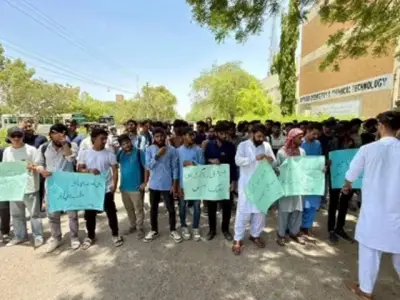
In a significant development at the University of Karachi (KU), a senior professor has been taken into custody by law enforcement authorities. The arrest follows serious allegations of harassment leveled against him by a female colleague, bringing issues of workplace safety and institutional accountability to the forefront.
Details of the Alleged Harassment Incident
The case came to light when the female professor, whose identity remains protected, filed a formal complaint. She accused her colleague, Professor Dr. Tanveer Abbas from the Department of International Relations, of persistent harassment. The complainant detailed a pattern of unwelcome behavior that created a hostile work environment for her.
Acting on the complaint, the university's internal Anti-Harassment Committee initiated a thorough investigation. After reviewing the evidence and statements, the committee found the allegations to be substantiated. In a decisive move, the committee recommended strict disciplinary action against Dr. Abbas, which ultimately led to his suspension from official duties.

Legal Action and Police Involvement
Following the internal inquiry, the matter was escalated to the police. A formal First Information Report (FIR) was registered against Professor Tanveer Abbas. The police acted promptly on the FIR, leading to his arrest. He was subsequently presented before a local magistrate, who remanded him into police custody for further investigation.
This legal step underscores the gravity of the charges and demonstrates a shift towards treating such complaints with the seriousness they warrant, moving beyond internal administrative measures.
Institutional Response and Broader Implications
The administration of the University of Karachi has stated that it followed due process as outlined in the Protection Against Harassment of Women at the Workplace Act, 2010. The case has ignited a broader conversation within academic circles across Pakistan about the effectiveness of existing mechanisms to protect staff and students from harassment.
Advocates for women's rights and safe workplaces have pointed to this incident as a critical test case. They argue that while the arrest is a positive step, it highlights the need for:
- Stronger implementation of anti-harassment policies in all institutions.
- Zero-tolerance cultures that encourage victims to come forward without fear of reprisal.
- Transparent and swift action from inquiry committees to build trust in the system.
The outcome of this case is being closely watched, as it may set a precedent for how similar allegations are handled in educational institutions and other workplaces throughout the country. It serves as a stark reminder of the ongoing challenges in ensuring safe and respectful professional environments for everyone.