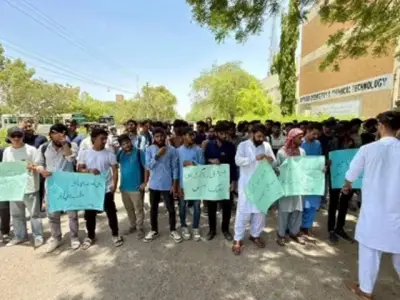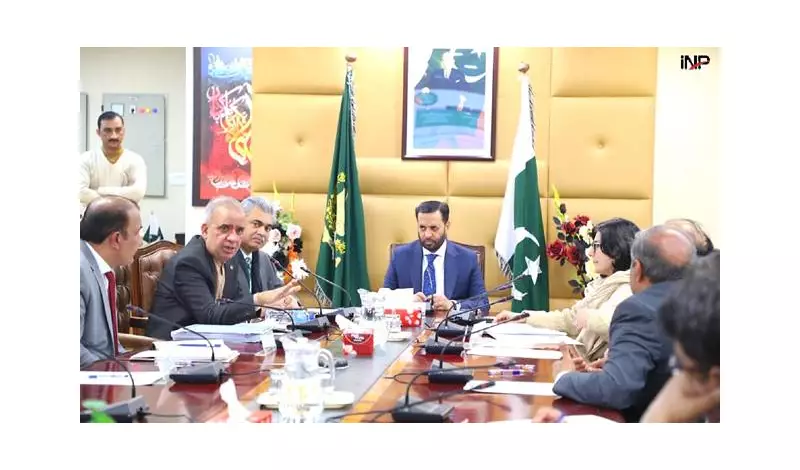
Pak Sarzameen Party (PSP) Chairman Mustafa Kamal has issued a powerful call for the immediate and comprehensive reform of pharmacy education and the associated legal framework in Pakistan. He argues that the current system, governed by outdated laws from 1967 and 1976, is severely compromising public health and safety.
A System Stuck in the Past
Kamal highlighted that the foundational laws regulating the pharmacy profession, particularly the Pharmacy Act of 1967 and subsequent regulations from 1976, are dangerously obsolete. These decades-old statutes no longer address the complexities of modern medicine, drug distribution, and healthcare challenges. The PSP chairman emphasized that this legislative stagnation has directly led to a decline in the quality of pharmacy education and professional standards across the country.
He pointed a critical finger at the Pakistan Pharmacy Council (PPC), the regulatory body responsible for maintaining standards. Kamal accused the PPC of failing in its core mandate, allowing substandard pharmacy colleges to operate and produce graduates ill-equipped to handle their crucial roles in the healthcare ecosystem. This failure, he contends, creates a direct threat to the well-being of ordinary citizens.

The Dire Consequences for Public Health
The implications of this broken system are severe and far-reaching. Mustafa Kamal warned that the prevalence of poorly qualified pharmacists and unauthorized medical stores is a national crisis. These establishments often operate without proper oversight, leading to the unchecked sale of prescription drugs, including potent antibiotics and controlled substances.
This environment fosters self-medication and drug misuse on a massive scale, contributing to public health disasters like antimicrobial resistance (AMR). Patients receive incorrect dosages, improper medications, or dangerous drug combinations because the individuals dispensing them lack the necessary training and legal accountability. Kamal stressed that reforming pharmacy education is not just an academic issue but a fundamental public health emergency that requires urgent political and administrative action.
A Blueprint for Urgent Reform
In his statement, Kamal outlined clear demands for the federal and provincial governments. The primary call is for the immediate repeal of the antiquated 1967 and 1976 laws and their replacement with modern, robust legislation that reflects current scientific and ethical standards. The new legal framework must empower regulatory bodies to enforce strict quality controls.
Furthermore, he demanded a complete overhaul of the pharmacy curriculum to ensure it meets international benchmarks. This includes stricter accreditation processes for pharmacy colleges, continuous professional development for practicing pharmacists, and a crackdown on illegal medical stores. The goal is to rebuild the pharmacy profession as a competent, ethical, and trusted pillar of Pakistan's healthcare system, ultimately safeguarding the right of every citizen to safe and effective medication.
Mustafa Kamal's intervention brings a critical yet often overlooked issue into the political spotlight. It underscores the direct link between regulatory failure in professional education and tangible harm to societal health, positioning it as a key governance challenge for the authorities.