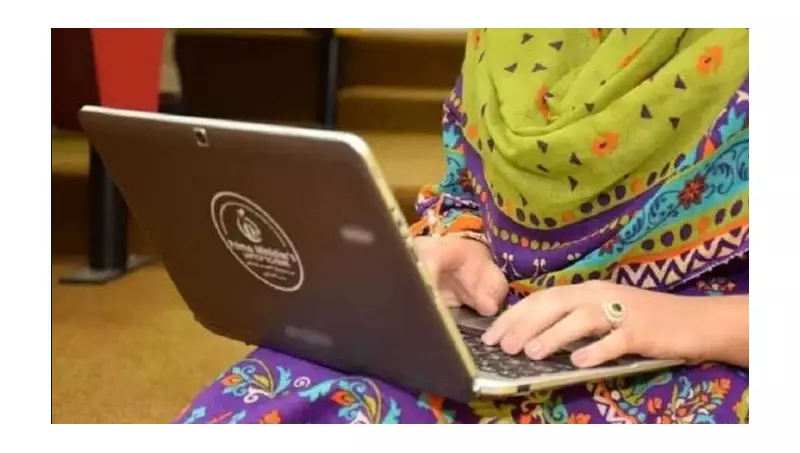
In a significant expansion of its educational support initiatives, the Punjab government has announced the extension of its popular laptop distribution program to include students enrolled in private sector universities and colleges. This major policy shift, confirmed by official sources, aims to bridge the digital divide for a wider segment of the student population across the province.
Broadening the Scope of Digital Access
The decision, spearheaded by Punjab Chief Minister Maryam Nawaz Sharif, marks a departure from the program's previous focus solely on public sector institutions. Under the revised guidelines, students from private universities and affiliated colleges recognized by the relevant higher education authorities will now be eligible to benefit. This move is expected to empower thousands of additional students with the essential technological tools required for modern academic success.
The initiative is part of the government's broader strategy to foster a digital and knowledge-based economy. By providing laptops, the authorities aim to enhance students' research capabilities, facilitate online learning, and improve their overall educational outcomes. The program has historically been a cornerstone of the provincial government's efforts to support the youth.

Eligibility and Implementation Timeline
While the official notification detailing the complete eligibility criteria is awaited, sources indicate that the scheme will follow a merit-based and transparent selection process. It is anticipated that students demonstrating strong academic performance and financial need will be prioritized. The distribution for the expanded program is slated to commence in the year 2025.
The original laptop scheme, a flagship project of the Pakistan Muslim League-Nawaz (PML-N) government, was first launched during its previous tenure. Its revival and expansion under the current leadership highlight the continued emphasis on educational technology and youth development. The inclusion of private institutions addresses long-standing demands from students in that sector, promoting a more equitable distribution of resources.
A Step Towards Inclusive Educational Development
This expansion is widely seen as a positive step towards creating a more level playing field. Students from private institutions, who often bear higher tuition costs, will now receive similar state support for essential learning tools. Analysts believe this will not only boost morale but also contribute to a more skilled and technologically adept future workforce in Punjab.
The government's commitment to the program underscores its recognition of technology as a critical enabler in education. In an increasingly digital world, access to a personal computer is no longer a luxury but a fundamental necessity for academic research, project completion, and skill acquisition. This policy is expected to have a far-reaching impact on the province's higher education landscape.
Authorities have assured that the application and distribution mechanism will be streamlined to ensure efficiency and transparency. Students are advised to stay updated through official channels of their respective institutions and the Punjab government for announcements regarding the application portal launch and detailed eligibility requirements.