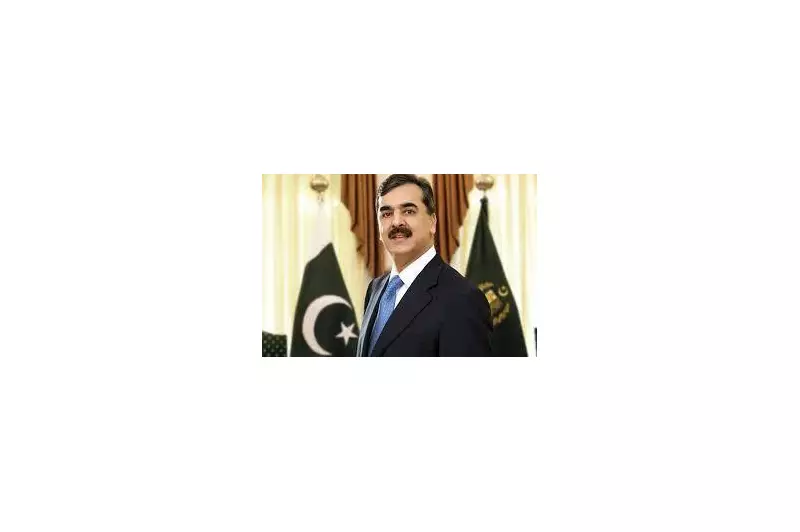
Senator Syed Raza Gilani, a prominent political figure and former Prime Minister, has issued a powerful call for transformative change within Pakistan's education sector. His vision centers on forging strategic academic partnerships and implementing a unified national curriculum to elevate the country's educational standards to a global level.
The Imperative for Academic Collaboration and Curriculum Reform
Speaking at a significant event in Islamabad, Senator Gilani pinpointed the critical need for enhanced collaboration between Pakistani universities and international academic institutions. He argued that such partnerships are not merely beneficial but essential for injecting new knowledge, innovative teaching methodologies, and advanced research practices into the local ecosystem. This cross-pollination of ideas, he stressed, is vital for preparing Pakistani students to compete and excel on the world stage.
Parallel to this, Gilani championed the urgent adoption of a single national curriculum. He identified the current fragmented system, with its multitude of parallel educational streams, as a primary source of inequality. This disparity, he noted, creates an uneven playing field where students from different socio-economic backgrounds receive vastly different qualities of education. A unified curriculum, in his view, is the cornerstone for building a more equitable and just society, ensuring every child in Pakistan has access to the same core knowledge and opportunities.

Addressing Systemic Challenges and Proposing Solutions
Gilani's critique extended to the very structure of educational governance. He highlighted a concerning disconnect, pointing out that while the Higher Education Commission (HEC) oversees universities, the curriculum for primary and secondary schools falls under provincial authorities. This bifurcation, he warned, can lead to inconsistencies and a lack of cohesive national strategy. His solution involves a more synchronized approach, advocating for mechanisms that ensure seamless integration between school-level education and higher education prerequisites.
The senator did not shy away from discussing the financial and infrastructural hurdles. He acknowledged the severe challenges posed by limited resources, overcrowded classrooms, and a shortage of qualified teachers, particularly in rural and underprivileged areas. To tackle this, his proposal includes a multi-faceted strategy: increased public investment in education, incentivizing private sector participation through public-private partnerships, and a dedicated focus on improving facilities and teacher training programs across the board.
A Unified Vision for the Future of Pakistani Education
The overarching message from Senator Gilani was one of unity and shared responsibility. He called upon all stakeholders—including federal and provincial governments, educational bodies, private institutions, and civil society—to collaborate with a renewed sense of purpose. The goal is clear: to architect an education system that is not only inclusive and high-quality but also aligned with the demands of the 21st-century global economy.
By emphasizing both international academic partnerships for excellence and a single national curriculum for equity, Gilani's framework presents a comprehensive roadmap. It aims to bridge the gap between Pakistan's current educational outcomes and its immense potential, seeking to build a system where every student can thrive and contribute to national progress.