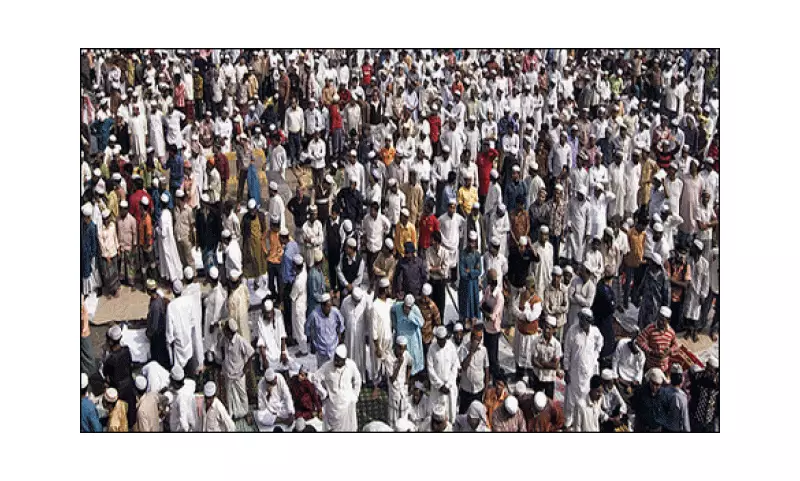
A major religious gathering in Karachi, focused on spiritual renewal and Islamic teachings, drew to a close this Sunday. The four-day Tableeghi Jamaat congregation, known as an Ijtema, culminated with powerful sermons and collective prayers at its Orangi Town venue.
Final Sermons and Prayers for the Nation
The concluding address was delivered by Maulana Zia-ul-Haq after the Fajr prayers. In his sermon, he called on attendees to abandon negativity, hatred, and excessive materialism. He emphasized adopting core Islamic values as a guide for personal and communal life. The final supplication, or dua, was led by Maulana Ahmed Batla.
Religious scholars at the event offered special prayers for Pakistan's stability and prosperity. They stressed that the teachings of Islam provide clear guidance for resolving the social and economic challenges facing the nation today.

Overflowing Venue and Core Messages
The venue in Orangi Town was packed to capacity throughout the final day. Many participants, unable to find space inside, stood in the surrounding areas to listen to the final address and join the prayers, demonstrating the event's significant draw.
The speakers outlined a clear path for spiritual betterment. Key themes of the concluding sessions included:
- Preparation for the hereafter as a primary life goal.
- The importance of regular prayers and seeking forgiveness.
- Respecting the rights of others in all interactions.
- Embracing simplicity in lifestyle and avoiding unnecessary expenses.
A Call for Social and Spiritual Reform
The congregation served as a massive call for introspection and reform. By focusing on piety, ethical conduct, and communal harmony, the event aimed to inspire positive change starting from the individual level. The emphasis on moving away from divisiveness and material pursuits towards a more spiritually anchored life was the central message resonating from the four-day gathering.
The successful conclusion of the Ijtema highlights the continued importance of such religious gatherings in Pakistan's cultural and spiritual landscape, offering a space for reflection and collective prayer for the nation's future.