

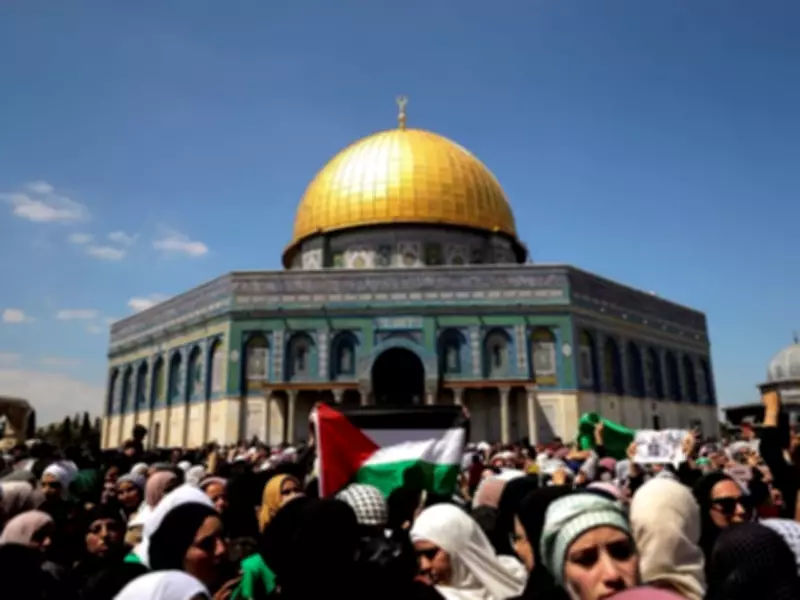
Al-Aqsa Mosque Reopens for Friday Prayers After Weeks of Israeli Closure
The Al-Aqsa Mosque in Jerusalem has reopened to worshippers for the first Friday prayers following a weeks-long closure imposed by Israeli authorities. This significant event marks a pivotal moment for Palestinian Muslims who have faced restrictions on access to one of Islam's holiest sites. The reopening comes after intense diplomatic efforts and local protests, highlighting the ongoing tensions in the region.
Details of the Reopening and Security Measures
Israeli officials announced the decision to reopen the mosque, citing improved security conditions. However, strict measures were implemented, including enhanced checkpoints and identity verifications for worshippers entering the compound. Thousands of Palestinian Muslims gathered for the prayers, expressing relief and gratitude for the opportunity to worship at the site after the prolonged closure. The atmosphere was described as both celebratory and tense, with many attendees calling for continued access without future disruptions.
Background on the Closure and Regional Implications
The closure of the Al-Aqsa Mosque was initiated by Israeli authorities several weeks ago due to security concerns, sparking widespread condemnation from Palestinian leaders and international human rights groups. This move was part of broader restrictions in East Jerusalem, which Palestinians claim as the capital of a future state. The reopening is seen as a temporary respite, but underlying issues regarding sovereignty and religious freedom in the area remain unresolved. Analysts note that such closures often exacerbate regional conflicts and impact diplomatic relations in the Middle East.

Reactions from the Community and Future Outlook
Local worshippers and religious leaders have welcomed the reopening but emphasized the need for permanent solutions to prevent future closures. Many expressed concerns that the Israeli measures could be reinstated at any time, affecting the daily lives of Palestinians. International observers are monitoring the situation closely, urging both sides to engage in dialogue to ensure long-term stability. The event underscores the deep-seated religious and political significance of the Al-Aqsa Mosque, which continues to be a flashpoint in the Israeli-Palestinian conflict.

