

The 1914 Christmas Truce: A Moment of Humanity Amidst War
In the annals of history, few events capture the essence of human compassion as vividly as the Christmas Truce of 1914. This spontaneous ceasefire occurred during World War I, a conflict marked by unprecedented brutality, yet it showcased a fleeting but profound moment of peace between enemies.
The Dawn of an Unlikely Peace
On December 23, 1914, as the world was engulfed in the early months of World War I, German troops engaged in the conflict did something extraordinary. Just after midnight on Christmas morning, they laid down their weapons and began singing carols. At the first light of dawn, many of these soldiers emerged from their trenches and ventured across the desolate no-man's land, approaching the Allied lines while calling out 'Merry Christmas'.
Initially, Allied soldiers were wary, fearing a trick or ambush. However, upon seeing the unarmed Germans, their apprehension turned to curiosity and then camaraderie. They, too, left their trenches and met the enemy in the middle, shaking hands and exchanging greetings. This unexpected encounter quickly transformed into a heartfelt celebration of the holiday spirit.

Gifts, Songs, and Soccer: Bonds Forged in Truce
The truce was not merely a pause in hostilities; it became a vibrant exchange of goodwill. Soldiers from both sides shared gifts, such as cigarettes and plum pudding, bridging the gap between their warring nations. For hours, they sang carols and songs together, their voices echoing across the battlefield in a harmonious defiance of the surrounding conflict.
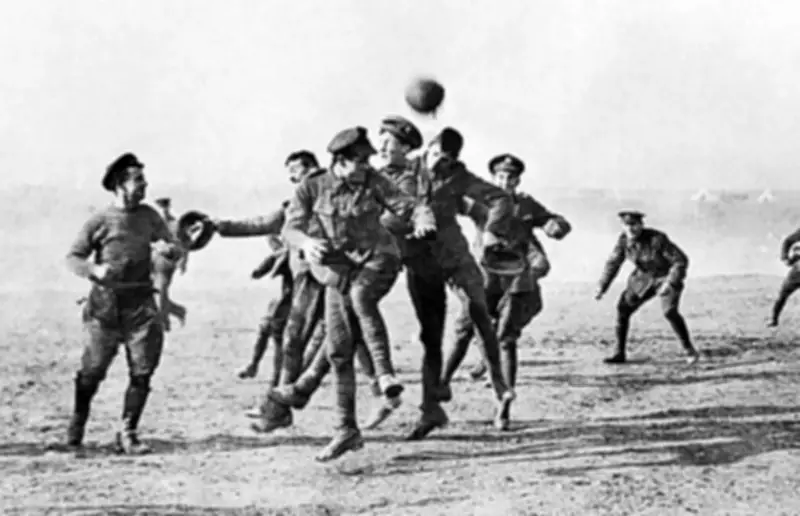
One of the most iconic moments of this truce was a good-natured game of soccer played between the German and Allied soldiers. Documented accounts confirm this impromptu match, symbolizing how even in the midst of war, shared humanity could prevail. This act of playfulness underscored the truce's significance as a rare example of chivalry and mutual respect.
Historical Context and Lasting Legacy
The Christmas Truce of 1914 took place just five months after the outbreak of war in Europe, making it one of the last notable instances of such chivalry between enemies in modern warfare. It serves as a powerful reminder that even in the darkest times, people can find common ground and embrace peace, if only temporarily.
This event has been studied and celebrated for its perspective on human nature, highlighting how cultural and religious traditions can transcend political and military divides. As we reflect on this historical moment, it encourages us to consider the possibilities for reconciliation and understanding in our own times.

