US and India Forge Major Trade Agreement, Slashing Tariffs and Shifting Oil Imports
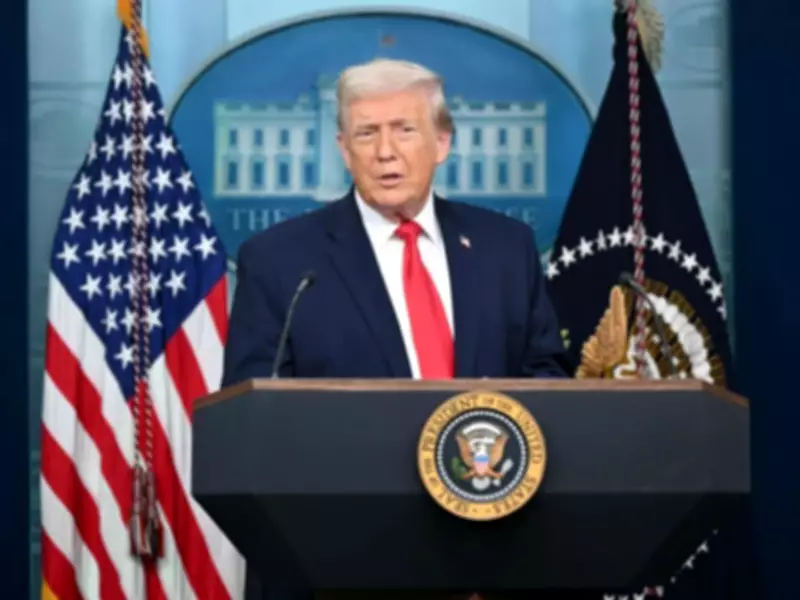
In a significant diplomatic and economic development, US President Donald Trump announced on Monday a landmark trade deal with India. The agreement, reached following a call with Indian Prime Minister Narendra Modi, involves a substantial reduction in US tariffs on Indian goods and commitments from India to lower trade barriers and alter its oil import strategy.
Key Provisions of the Trade Deal
Tariff Reductions: President Trump stated that the United States will lower its reciprocal tariff on Indian imports from 25% to 18%, effectively reducing the overall duty from 50% to 18%. This move rescinds a punitive 25% duty imposed over India's purchases of Russian oil, which had been stacked on top of the existing tariff rate.
India's Commitments: In exchange, India has agreed to several measures:

- Lowering its tariffs and non-tariff barriers against the United States to zero.
- Stopping purchases of Russian oil.
- Buying oil instead from the US and potentially Venezuela.
- Committing to "BUY AMERICAN at a much higher level," including over $500 billion worth of US energy, technology, agricultural, and other products.
Market Reaction and Economic Impact
The announcement triggered a positive response in financial markets. Shares of major Indian companies listed in the US rallied significantly:
- Infosys rose by 3.53%.
- Wipro increased by 7%.
- HDFC Bank gained 3.4%.
- The iShares MSCI India exchange-traded fund rallied 3.3%.
Economist Madhavi Arora of Emkay Global noted that the deal brings India's tariff rates broadly in line with its Asian peers at 15-19%, eliminating a disproportionate drag on India's exports and its currency, the rupee. Indian markets had suffered since the US tariffs were imposed, making it the worst-performing emerging market in 2025 with record foreign investor outflows.
Political and Strategic Context
The deal follows months of tense negotiations between the two largest democracies. Last August, Trump doubled duties on Indian imports to 50% to pressure New Delhi to halt Russian oil purchases. The agreement also comes less than a week after India signed a trade deal with the European Union, expected to eliminate or reduce tariffs on 96.6% of traded goods.
Trump's announcement on social media provided few details on implementation timelines or specific US products India will purchase. Previous trade deals with Asian partners like Japan and South Korea included investment commitments, but the India announcement did not specify any.
Oil Import Shifts and Global Implications
India, the world's third-largest oil importer, relies on imports for about 90% of its needs. The deal aims to replace Russian oil with supplies from the US and Venezuela. This shift is significant as India had been importing cheaper Russian oil since 2022, helping lower costs amid Western sanctions on Russia.
Recent data shows India slowing its Russian oil purchases, with projections indicating a decline from 1.2 million barrels per day in January to about 800,000 bpd by March. The potential inclusion of Venezuelan oil follows Trump's earlier tease of a deal, after the US seized Venezuelan President Nicolas Maduro in January.
Reactions from Indian Leadership
Prime Minister Narendra Modi expressed gratitude, posting on social media: "Wonderful to speak with my dear friend President Trump today. Delighted that Made in India products will now have a reduced tariff of 18%. Big thanks to President Trump on behalf of the 1.4 billion people of India for this wonderful announcement."
Trade Minister Piyush Goyal highlighted the deal's benefits, stating it would unlock opportunities for Indian farmers, MSMEs, entrepreneurs, and workers, and help India access US technology. The White House and Indian ministries have not provided further details, with spokespeople not immediately responding to requests for comment.