Trump Announces Tariff Hike to 15% Following Supreme Court Ruling
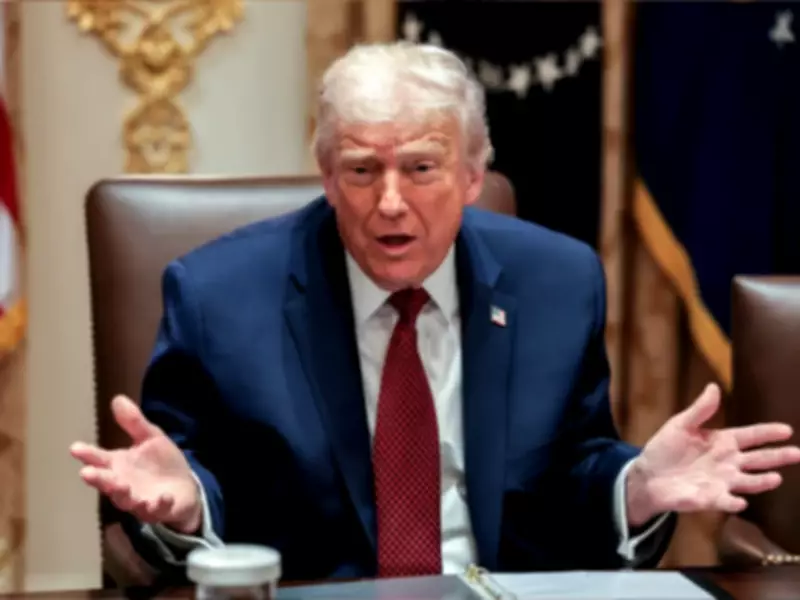
President Donald Trump declared on Saturday that he will raise temporary tariffs on nearly all imports into the United States from 10% to 15%, the maximum level permitted under federal law. This move comes directly after the U.S. Supreme Court invalidated his earlier tariff program, which the court ruled exceeded presidential authority.
Immediate Response to Judicial Setback
On Friday, immediately following the Supreme Court's decision, Trump had announced a 10% across-the-board tariff. The court's 6-3 ruling found that the president had overstepped his legal powers when he imposed higher tariff rates under an economic emergency statute. In a swift countermove, Trump is now leveraging a separate legal provision to implement the new tariffs.
Legal Basis and Congressional Oversight
The increased levies are based on Section 122 of the Trade Act, a law that allows for tariffs up to 15% but mandates congressional approval to extend them beyond 150 days. In a social media post on Saturday, Trump indicated he would use this period to develop additional "legally permissible" tariffs. The administration plans to utilize two other statutes that authorize import taxes on specific products or countries, contingent on investigations into national security threats or unfair trade practices.

Trump's Defiant Stance
In a post on Truth Social, Trump wrote, "I, as President of the United States of America, will be, effective immediately, raising the 10% Worldwide Tariff on Countries, many of which have been 'ripping' the U.S. off for decades, without retribution (until I came along!), to the fully allowed, and legally tested, 15% level." He has shown no indication of retreating from his global trade war since the court's decision, personally attacking individual justices and asserting his continued authority to impose tariffs as he deems necessary.
Broader Implications for Trade Policy
This escalation underscores Trump's unwavering commitment to aggressive trade measures, despite judicial pushback. The reliance on Section 122 introduces a timeline that could lead to further political battles with Congress over tariff extensions. As the administration explores other legal avenues for tariffs, the global economic landscape faces increased uncertainty and potential retaliatory actions from trading partners.