Pakistan and Rwanda Explore Direct Sea Routes to Unlock $300 Billion East African Market
In a significant move to boost bilateral trade, Pakistan and Rwanda are actively exploring the establishment of direct sea routes from Karachi to major East African ports, including Djibouti and Mombasa. This initiative aims to provide Pakistan with access to the East African Community's (EAC) vast consumer market, which comprises over 500 million people and is valued at more than $300 billion.
Strategic Discussions on Cost and Time Reductions
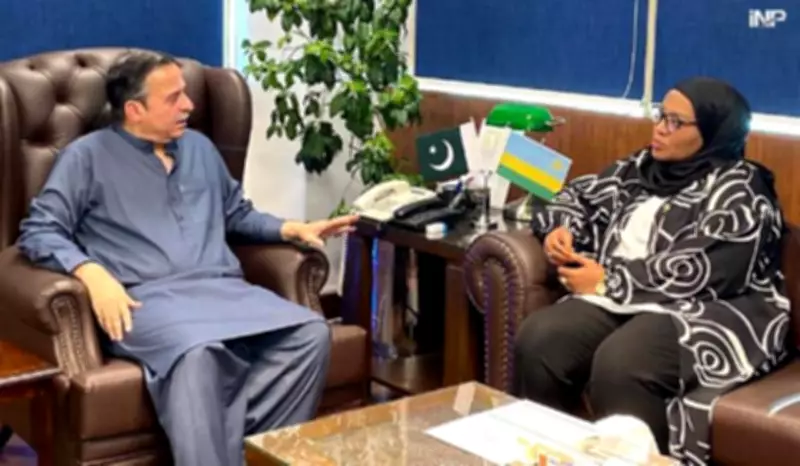
Federal Minister for Maritime Affairs Muhammad Junaid Anwar Chaudhry and Rwandan High Commissioner Harerimana Fatou held detailed talks to advance this maritime collaboration. They discussed proposals to cut shipping costs by up to 30 percent and significantly reduce transit times through a dedicated Karachi–Djibouti shipping line. These measures are designed to support and enhance bilateral trade between the two nations.
Gwadar as a Future Export Hub for Africa
Minister Chaudhry emphasized that Gwadar is being strategically positioned as a future export hub for Africa. This development is expected to create new opportunities for Pakistani exports in key sectors such as:

- Textiles
- Pharmaceuticals
- Agri-tech products
Simultaneously, it will facilitate imports of Rwandan goods, including tea, coffee, and avocados, into Pakistan. The minister noted that this initiative aligns with Pakistan's blue economy strategy and aims to unlock trade potential under international maritime frameworks.
Rwanda's Strategic Role and Regional Integration
Despite being a landlocked country, Rwanda is strategically placed to utilize Djibouti and Mombasa as primary gateways for trade with Pakistan. Direct maritime links would streamline Pakistani exports to East Africa while improving access for Rwandan goods to South Asian markets. Discussions also covered the potential Karachi–Mombasa route, which could strengthen regional integration and reinforce Pakistan's maritime role across the EAC and beyond.
Business Platforms and Improved Connectivity
Both sides explored business-to-business platforms, such as the proposed Africa House, to help businesses capitalize on new trade corridors. Improved connectivity is expected to cut transit times by weeks, enhancing the competitiveness of Pakistani exports and making Rwandan produce more viable in regional markets.
International Maritime Conventions and Sustainable Growth
The talks were framed within key international maritime conventions, including:
- SOLAS (Safety of Life at Sea)
- MARPOL (Marine Pollution)
- UNCLOS (United Nations Convention on the Law of the Sea)
- Maritime Labour Convention
These conventions provide uniform global standards for safe, efficient, and sustainable shipping, as highlighted by Minister Chaudhry.
Unlocking Untapped Potential in Key Sectors
High Commissioner Harerimana Fatou stated that stronger logistics integration could unlock untapped potential in sectors such as sustainable agriculture and light manufacturing. Reliable sea links would boost Rwanda's agricultural exports while enabling Pakistan to diversify its export base.
Future Prospects and Regional Impact
As Gwadar develops into an Africa-focused maritime hub, new sea corridors could reshape Pakistan's maritime footprint and promote inclusive growth across the Indian Ocean region. This collaboration marks a pivotal step towards enhancing economic ties and fostering long-term prosperity for both nations.