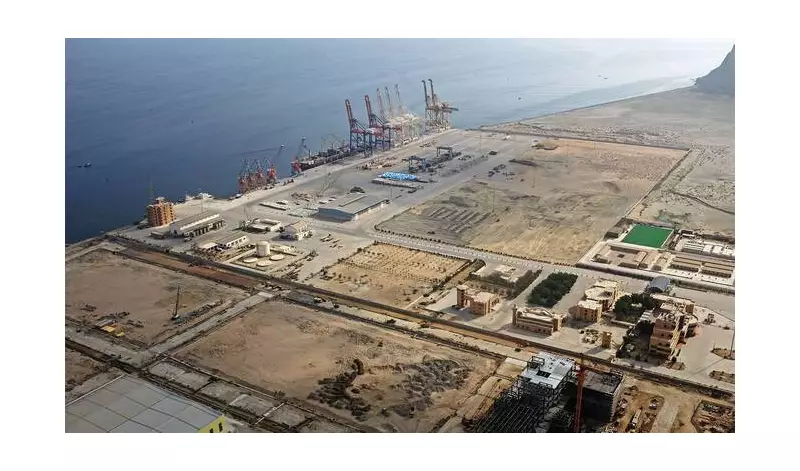
Pakistan has unveiled an ambitious strategy to develop new deep-sea ports as part of a comprehensive plan to strengthen the country's maritime infrastructure and boost economic growth. The initiative represents a significant step forward in enhancing Pakistan's position in global shipping routes and trade networks.
Strategic Expansion of Maritime Infrastructure
The government's plan focuses on creating state-of-the-art deep-sea ports that can accommodate larger vessels and increase cargo handling capacity. This development is expected to transform Pakistan into a major maritime hub in the region, competing with established ports in neighboring countries. The timing of this announcement comes as global shipping patterns shift and new trade opportunities emerge in the Indian Ocean region.
Officials emphasize that the new ports will be equipped with modern container terminals, advanced cargo handling systems, and improved connectivity to hinterland transportation networks. The project aims to reduce shipping costs and transit times for both imports and exports, making Pakistani products more competitive in international markets. Special economic zones are also planned around the port areas to attract industrial investment.

Economic Impact and Job Creation
The deep-sea ports initiative is projected to have substantial economic benefits for Pakistan. Thousands of new jobs are expected to be created during both the construction and operational phases, providing employment opportunities for local communities and skilled professionals. The maritime sector development is also likely to stimulate growth in related industries including logistics, manufacturing, and services.
Economic analysts predict that enhanced port infrastructure will significantly increase Pakistan's trade volume and foreign exchange earnings. The improved connectivity will benefit multiple sectors of the economy, from textiles and agriculture to emerging technology industries. The government plans to involve both domestic and international investors in the development through public-private partnerships.
Regional Connectivity and Global Trade
The new deep-sea ports are strategically positioned to enhance Pakistan's role in regional connectivity initiatives. These facilities will complement existing infrastructure like Gwadar Port and strengthen Pakistan's position in the China-Pakistan Economic Corridor (CPEC). The development aligns with broader efforts to improve trade links with Central Asian countries, the Middle East, and beyond.
Maritime experts highlight that modern deep-sea ports are essential for handling the new generation of mega-container ships that require greater draft and more sophisticated facilities. Pakistan's geographical location gives it natural advantages for maritime trade, and these new investments aim to fully leverage this potential. Environmental considerations and sustainable development practices will be integrated into the port designs.
The implementation timeline for these projects will be phased over several years, with feasibility studies and detailed planning currently underway. International port operators and shipping companies have shown keen interest in partnering with Pakistan on these ambitious developments, recognizing the strategic importance of the country's coastline.