FPCCI Sounds Alarm Over Proposed Trade Organisation Rules Amendment
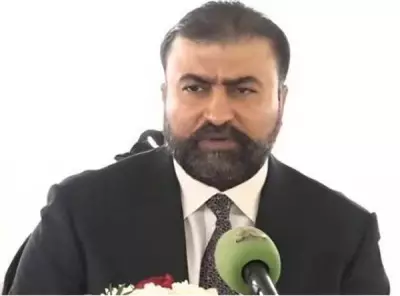
The Federation of Pakistan Chambers of Commerce and Industry (FPCCI) has issued a stark warning regarding proposed legislative changes to the Trade Organisation Rules, stating that the business community across Pakistan has been deeply unsettled by the developments. In an official statement, FPCCI President Atif Ikram Sheikh articulated the organization's profound concerns about the Trade Organisation Rules 2013 Amendment Bill currently under consideration.
Serious Reservations About Legislative Changes
President Sheikh emphasized that the business environment in Pakistan is already facing significant challenges due to various internal and external trade barriers and economic pressures. He described chambers of commerce as the final bastion for the business community to voice their concerns and advocate for their interests. The proposed legislation, according to Sheikh, would have catastrophic consequences by eliminating district-level chambers entirely. This move would effectively dismantle established institutional structures that have supported local economies for decades.
"District chambers play an absolutely vital role in shaping local economies and contributing substantially to the country's overall economic growth," Sheikh stated. "Their elimination would represent a devastating blow to business representation at the grassroots level."

Potential Exclusion of Key Business Sectors
The FPCCI president further warned that any restrictions imposed on trade organizations through these amendments could potentially exclude export-oriented businesses from proper representation. This development would be particularly damaging to Pakistan's international trade prospects at a time when export growth is crucial for economic stability.
Sheikh expressed particular concern about the impact on vulnerable business segments, noting that the proposed changes would likely demoralize the entire business community while specifically discouraging small and medium enterprises (SMEs) and women-led businesses. These groups often rely heavily on district chambers for support, advocacy, and networking opportunities that are essential for their survival and growth.
Call for Parliamentary Intervention
In light of these concerns, President Sheikh made an urgent appeal to parliamentarians, urging them to reject the bill outright and allow district chambers to continue their essential operations without disruption. He emphasized that maintaining these local business institutions is critical for preserving economic stability and fostering business growth across Pakistan's diverse regions.
Additional Concerns from FPCCI Leadership
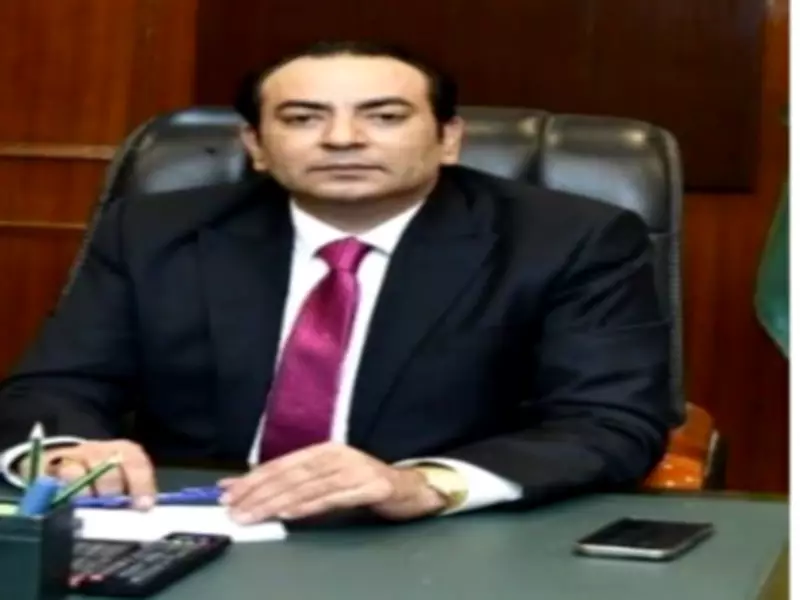
In a separate statement, FPCCI Senior Vice President Saquib Fayyaz Magoon echoed these concerns, specifically addressing the bill that has been tabled before the National Assembly Standing Committee on Commerce. Magoon cautioned that any abrupt or poorly considered changes to the existing trade organization framework could result in the closure of numerous representative trade bodies throughout the country.
Magoon emphasized the importance of stability in business institutions, noting that sudden structural changes create uncertainty that can undermine business confidence and investment. He joined President Sheikh in calling for careful reconsideration of the proposed amendments, suggesting that any changes to trade organization rules should be developed through extensive consultation with the business community they are meant to serve.
The unified stance from FPCCI leadership highlights the depth of concern within Pakistan's business community about potential legislative changes that could fundamentally alter the landscape of business representation and advocacy in the country.