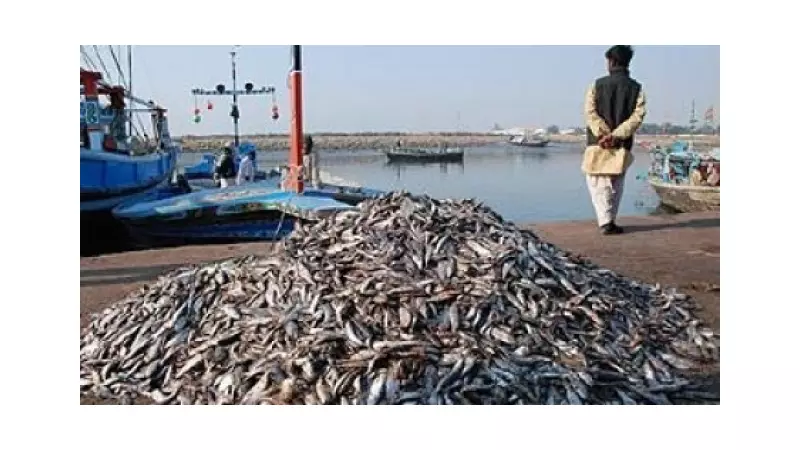
Pakistan possesses a vast and rich coastline, yet its seafood export potential remains largely untapped. Experts are now urging for comprehensive reforms in the fisheries sector to transform this maritime bounty into a major economic driver. The current state of affairs reveals a significant gap between potential and performance, necessitating immediate and strategic action.
The Untapped Potential of Pakistan's Blue Economy
The country's marine exclusive economic zone stretches over an impressive 290,000 square kilometers. This vast area is home to diverse aquatic life, including shrimp, tuna, and other high-value species. However, despite this natural wealth, Pakistan's contribution to the global seafood market is minimal. The sector is currently plagued by outdated fishing methods, poor cold chain infrastructure, and a lack of value addition. Most of the catch is exported in raw or frozen form, fetching lower prices compared to processed goods. Modernizing this sector is not just an option but a necessity for economic growth.
Key Areas Demanding Immediate Reform
To harness the true potential, a multi-pronged reform strategy is essential. First and foremost, the adoption of sustainable and modern fishing practices is critical. This includes regulating fishing efforts to prevent overfishing and protecting juvenile fish to ensure long-term stock health. Secondly, massive investment is required in landing sites, processing plants, and cold storage facilities. Improving hygiene and quality standards from boat to port is paramount to meet international export regulations.

Furthermore, the development of aquaculture, or fish farming, presents a tremendous opportunity. Countries like Vietnam and Bangladesh have seen their seafood exports skyrocket by focusing on farmed shrimp and fish. Pakistan can replicate this success by promoting private investment in aquaculture, providing training to farmers, and ensuring the availability of quality feed and seed. Shifting focus from merely catching fish to farming them can lead to a more stable and scalable supply for exports.
Economic Impact and the Road Ahead
The economic rewards of successful fisheries reform are substantial. A revitalized sector can create thousands of jobs, from fishing and farming to processing, logistics, and marketing. It can significantly boost foreign exchange earnings, contributing to the national exchequer. More importantly, it can improve food security and provide livelihoods for coastal communities. The path forward requires strong public-private partnership, supportive government policies, and access to modern technology. By treating fisheries as a priority agri-business sector, Pakistan can position itself as a major player in the global seafood trade, turning its blue waters into a stream of sustainable revenue.