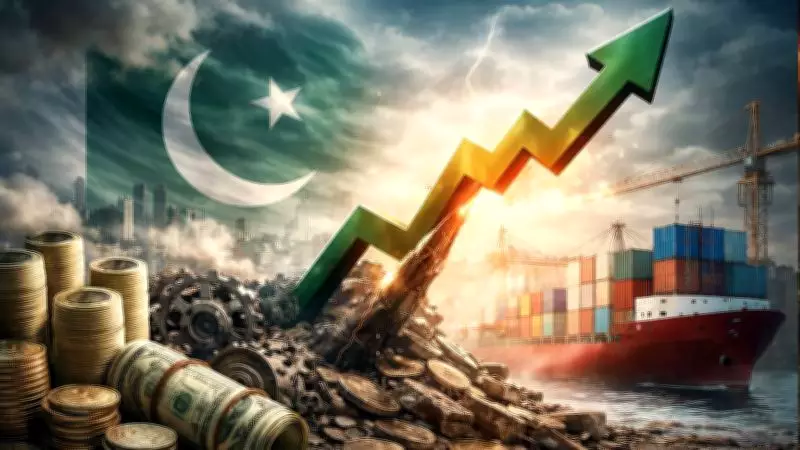
Pakistan stands at a crossroads where the path to sustainable economic growth is hindered by what experts call 'fiscal self-harm.' The country's reliance on import-led consumption has created a persistent current account deficit, while exports remain stagnant. This imbalance forces Pakistan to seek repeated bailouts from the International Monetary Fund (IMF), perpetuating a cycle of debt and austerity.
The Export Conundrum
Despite having a large and young population, Pakistan's export sector contributes less than 10% of GDP. The textile industry, once the backbone of exports, has lost competitiveness due to high energy costs, outdated machinery, and policy inconsistency. Meanwhile, emerging sectors like IT and services show promise but lack the scale to offset the trade deficit.
Export-led growth, as seen in East Asian economies, requires a coherent strategy: currency stability, low-cost financing, and trade agreements. Pakistan's frequent policy reversals and protectionist tendencies discourage foreign investment and innovation.

Fiscal Self-Harm: A Vicious Cycle
The government's fiscal mismanagement exacerbates the problem. High fiscal deficits lead to borrowing from commercial banks at high interest rates, crowding out private sector credit. Tax revenues remain low due to a narrow tax base and widespread evasion. Instead of expanding the tax net, authorities impose new taxes on formal sectors, further stifling growth.
Subsidies on energy and agriculture benefit the wealthy disproportionately, while social safety nets remain underfunded. The result is a regressive fiscal system that hampers both equity and efficiency.
Path to Recovery
Breaking the cycle requires bold reforms: broadening the tax base, rationalizing subsidies, and creating a stable policy environment for exporters. The government must also invest in human capital and infrastructure to boost productivity. Without these changes, Pakistan risks remaining trapped in low growth and high debt.
The choice is clear: embrace export-led growth or continue fiscal self-harm. The latter leads to stagnation, while the former offers a sustainable future.