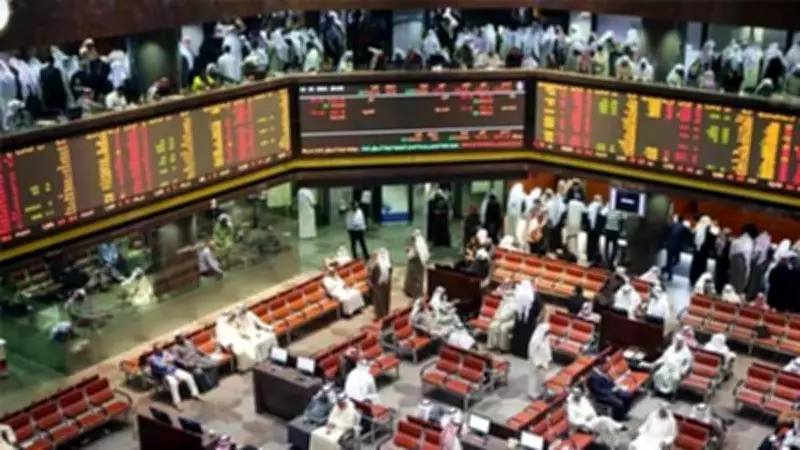
Gulf Financial Markets Face Turbulence Amid Rising Geopolitical Tensions
Financial markets in the Gulf Cooperation Council (GCC) countries are currently experiencing pronounced volatility and instability, with stock indices wavering as heightened geopolitical tensions between Iran and Israel create a climate of deep uncertainty for investors. This situation is directly impacting trading activities and economic forecasts across the region, raising concerns about potential long-term effects on investment flows and economic growth.
Escalating Iran-Israel Conflict Drives Market Instability
The recent escalation in hostilities and diplomatic friction between Iran and Israel has become a primary driver of the current market turbulence. Investors are reacting nervously to the potential for broader regional conflict, which could disrupt oil supplies, increase security risks, and destabilize trade routes critical to the Gulf economies. This geopolitical risk is manifesting in erratic stock price movements and reduced trading volumes as market participants adopt a cautious, wait-and-see approach.
Analysis of Market Performance and Sectoral Impacts
Detailed analysis reveals that sectors most exposed to geopolitical risks, such as energy, banking, and real estate, are witnessing the sharpest declines and highest volatility. Conversely, defensive sectors like utilities and consumer staples are showing relative resilience. The uncertainty is also affecting currency markets and bond yields in the region, with investors seeking safer assets amid the turmoil. Financial analysts note that this volatility is likely to persist until there is a clear de-escalation or resolution of the underlying tensions.

Investor Sentiment and Economic Implications
The prevailing investor sentiment in the Gulf markets is characterized by heightened anxiety and risk aversion. Many institutional investors are reassessing their portfolios, potentially leading to capital outflows or reduced foreign investment in the short term. This could have broader economic implications, including slower GDP growth, increased borrowing costs, and challenges for government budgets reliant on stable market conditions. Experts emphasize the need for robust risk management strategies to navigate this period of uncertainty.
Regional Responses and Future Outlook
In response to the market volatility, regulatory authorities and central banks in Gulf states are closely monitoring the situation and may consider interventions to ensure liquidity and stability. The future outlook for Gulf markets remains heavily dependent on the trajectory of Iran-Israel relations, with potential scenarios ranging from gradual stabilization to further escalation. Market participants are advised to stay informed and adapt their strategies to mitigate risks associated with this ongoing geopolitical uncertainty.