Khyber Pakhtunkhwa Embraces Smart Sensor Technology for Agricultural Advancement
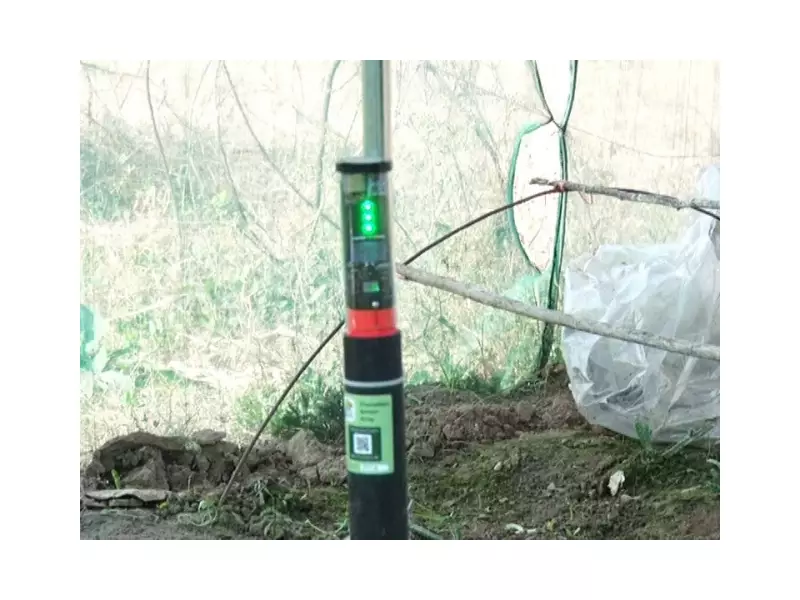
In a groundbreaking move to revolutionize farming practices, the province of Khyber Pakhtunkhwa has officially adopted smart sensor technology aimed at conserving water and boosting crop yields. This initiative represents a significant leap forward in Pakistan's agricultural sector, addressing critical challenges such as water scarcity and low productivity through innovative technological solutions.
How Smart Sensors Are Transforming Farming in KP
The implementation of smart sensors involves deploying advanced devices across agricultural fields to monitor soil moisture levels, weather conditions, and crop health in real-time. These sensors collect precise data, enabling farmers to make informed decisions about irrigation schedules and resource allocation. By optimizing water usage, the technology helps prevent over-irrigation and reduces wastage, which is crucial in a region where water resources are often limited.
Moreover, the sensors provide insights into soil nutrient levels and pest activity, allowing for timely interventions that can enhance crop growth and minimize losses. This data-driven approach not only conserves water but also promotes sustainable farming practices, aligning with global trends towards precision agriculture.

Benefits and Impact on Local Farmers
The adoption of smart sensor technology is expected to yield multiple benefits for farmers in Khyber Pakhtunkhwa. Key advantages include:
- Increased Crop Yields: By ensuring optimal growing conditions, the technology can lead to higher productivity and better-quality harvests.
- Water Conservation: Precise irrigation management helps save significant amounts of water, contributing to environmental sustainability.
- Cost Reduction: Farmers can lower their expenses on water, fertilizers, and pesticides by using resources more efficiently.
- Enhanced Resilience: The system improves farmers' ability to cope with climate variability and other agricultural risks.
This initiative is part of broader efforts by the provincial government to modernize agriculture and support rural communities. It underscores a commitment to leveraging technology for economic development and food security in Pakistan.
Future Prospects and Challenges
While the rollout of smart sensors is a positive step, challenges such as initial costs, technical training for farmers, and infrastructure requirements must be addressed to ensure widespread adoption. However, with continued investment and support, this technology has the potential to transform Khyber Pakhtunkhwa's agricultural landscape, setting a precedent for other provinces to follow.
In conclusion, the integration of smart sensor technology in Khyber Pakhtunkhwa marks a pivotal moment in Pakistan's journey towards sustainable and efficient agriculture. By harnessing innovation, the province is paving the way for a more prosperous and resilient farming sector.