ICCI President Advocates for National Real Estate Conference to Address Sectoral Challenges
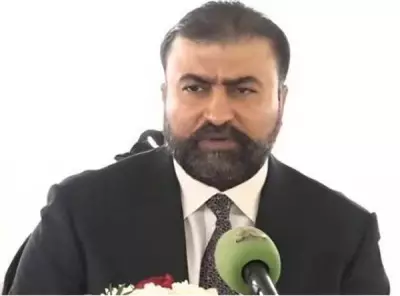
In a significant development, Sardar Tahir Mehmood, the President of the Islamabad Chamber of Commerce and Industry (ICCI), has made a formal appeal to Prime Minister Muhammad Shehbaz Sharif. He is urging the convening of a National Real Estate Conference or Convention aimed at resolving the structural, regulatory, and investment-related hurdles that are currently plaguing the real estate sector. Mehmood emphasized that this sector is a critical driver of economic growth and employment generation in Pakistan, making it essential to address these pressing issues promptly.
Press Conference Highlights Support and Concerns
During a press conference held at the ICCI headquarters on Wednesday, Sardar Tahir Mehmood expressed the business community's full support for the Prime Minister's vision of export-led growth and the attraction of foreign investment, particularly under the national initiative known as "Uraan Pakistan." However, he also voiced serious concerns about several factors that are undermining Pakistan's competitiveness and investor confidence. These include:
- Rising costs of doing business
- Excessive taxation measures
- High interest rates
- Expensive energy tariffs
He warned that these challenges are creating a hostile environment for businesses, which could deter both local and international investors.

Regulatory Pressures and Investor Flight
Sardar Tahir Mehmood pointed out that the real estate sector, despite its substantial contributions to economic activity and job creation, is facing mounting regulatory pressures. This is largely due to the overlapping jurisdictions of multiple government departments, leading to:
- Delays in project approvals
- Uncertainty in regulatory compliance
- Excessive bureaucratic requirements
He cautioned that this situation is pushing investors to relocate their capital to more business-friendly markets, such as Dubai, thereby depriving Pakistan of much-needed investment inflows.
Economic Impact and Multiplier Effect
Highlighting the importance of the real estate sector, the ICCI president noted that it has a strong multiplier effect, supporting between 60 to 70 allied industries. These include:
- Cement and steel production
- Construction materials
- Transport and logistics
- Financial services
- Engineering and skilled labor
He emphasized that international experience demonstrates a well-regulated and vibrant real estate sector acts as a backbone for sustainable economic growth, making it imperative for Pakistan to streamline its policies.
Call for Policy Reforms and Budgetary Measures
Sardar Tahir Mehmood further elaborated on the challenges, noting that Pakistan currently faces regionally uncompetitive energy tariffs, high taxation, and elevated interest rates, which make business operations extremely difficult. He stressed that unless discretionary powers are curtailed and approvals are granted within defined timelines, meaningful investment—both domestic and foreign—will remain elusive.
Speaking about the upcoming Federal Budget for 2026–27, he urged the government to avoid any anti-business or revenue-centric taxation measures. Instead, he advocated for a pro-business, investment-friendly, and growth-oriented fiscal framework. He called for meaningful consultation with Chambers of Commerce and Industry before finalizing economic policies and budgetary decisions to ensure they align with the needs of the private sector.
Conclusion and Commitment to Collaboration
In conclusion, Sardar Tahir Mehmood reaffirmed ICCI's commitment to acting as a bridge between the government and the private sector. He stated that timely policy support and structural reforms would strengthen investor confidence, enhance exports, create employment opportunities, and put Pakistan on a sustainable path of economic growth. The press conference was attended by a large number of business community members, including Chairman ICCI Founder Group Sheikh Tariq Sadiq, Senior Vice President Tahir Ayub, Vice President Irfan Chaudhry, and various executive members from different sectors, underscoring the collective concern and support for these initiatives.