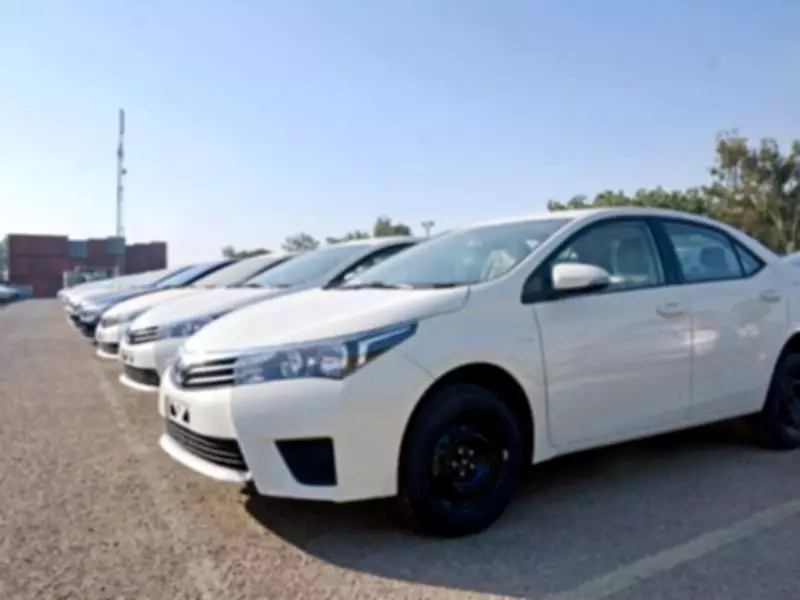
In a significant development reflecting the economic pressures faced by the nation, car ownership in Pakistan has dropped to a mere 11 vehicles per 1,000 people. This decline underscores the broader challenges in the automotive sector and consumer spending patterns, as rising costs and financial constraints impact household budgets.
Economic Factors Driving the Decline
The reduction in car ownership is attributed to multiple economic factors. High inflation rates, increased fuel prices, and stringent financing conditions have made vehicle purchases less accessible for many Pakistanis. Additionally, the depreciation of the Pakistani rupee against major currencies has led to higher import costs for vehicles and parts, further dampening demand.
Impact on the Automotive Industry
The automotive sector in Pakistan is experiencing a slowdown, with manufacturers reporting decreased sales and production cuts. This trend not only affects car companies but also has ripple effects on related industries, such as:

- Auto parts suppliers facing reduced orders
- Dealerships struggling with inventory buildup
- Employment opportunities in the sector diminishing
Consumer Behavior and Alternatives
As car ownership becomes less feasible, many Pakistanis are turning to alternative modes of transportation. Public transport usage is on the rise, and there is growing interest in more affordable options like motorcycles and ride-sharing services. This shift indicates a change in consumer priorities towards cost-saving measures in response to economic hardships.
Long-term Implications for Pakistan
The decline in car ownership could have lasting effects on Pakistan's economy and infrastructure. Reduced vehicle sales may lead to lower tax revenues for the government, while increased reliance on public transport could strain existing systems. Policymakers are urged to address these issues by:
- Implementing measures to stabilize the economy and control inflation
- Encouraging local manufacturing to reduce import dependency
- Investing in public transportation to accommodate growing demand
In conclusion, the drop in car ownership to 11 per 1,000 people serves as a stark indicator of the economic challenges confronting Pakistan. It highlights the need for strategic interventions to revive consumer confidence and support sustainable growth in the automotive sector and beyond.