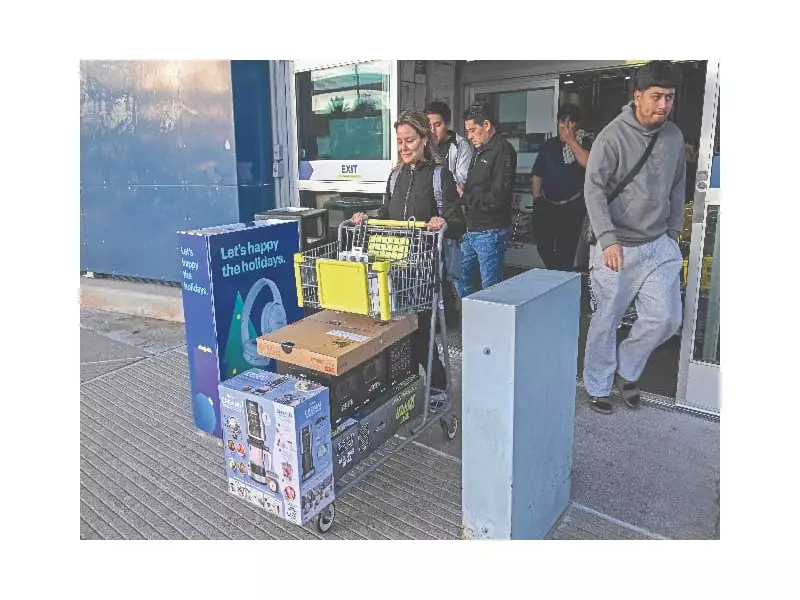
Pakistan witnessed a curious retail phenomenon during this year's Black Friday sales event: shopping centers and markets experienced significantly larger crowds compared to previous years, but individual spending saw a noticeable decline. This paradox highlights the complex economic realities facing Pakistani consumers amid persistent inflation and financial constraints.
Record Footfall Meets Cautious Spending
Shopping malls across major urban centers reported unprecedented visitor numbers during the Black Friday weekend. Major retail hubs in Karachi, Lahore, and Islamabad saw customer traffic increase by approximately 30-40% compared to regular weekends, according to mall management officials. The promise of substantial discounts and special offers drew thousands of bargain hunters to stores.
However, the increased footfall did not translate into proportional revenue growth for retailers. Average transaction values dropped by 15-20% compared to previous Black Friday events, with consumers showing marked preference for essential items and carefully planned purchases rather than impulsive buying.

Economic Pressures Reshape Shopping Behavior
The spending pattern reflects broader economic challenges affecting household budgets. Persistent inflation, particularly in essential commodities, has forced consumers to prioritize needs over wants. Many shoppers specifically targeted discounts on everyday necessities and deferred purchases of luxury or non-essential items.
Retail managers observed that consumers were more strategic in their approach, comparing prices across multiple stores and focusing on genuine value rather than being swayed by marketing hype. The typical Black Friday impulse buying frenzy was notably absent, replaced by calculated purchasing decisions.
Retailers Adapt to New Consumer Realities
In response to changing consumer behavior, retailers adjusted their Black Friday strategies. Many extended discount periods beyond the traditional Friday-to-Sunday window, offering deals throughout the week to manage crowds and capture more cautious shoppers. Some stores introduced flexible payment options, including installment plans, to accommodate budget-conscious customers.
Despite the challenging environment, certain categories performed relatively well. Electronics, particularly smartphones and home appliances, saw steady demand as consumers took advantage of discounts to make necessary upgrades. However, fashion and luxury goods experienced weaker sales performance.
The Black Friday shopping trends in Pakistan clearly indicate that while the appetite for good deals remains strong, economic pressures are fundamentally changing how consumers approach major shopping events. Retailers will need to continue adapting their strategies to align with these evolving consumer priorities in the coming months.