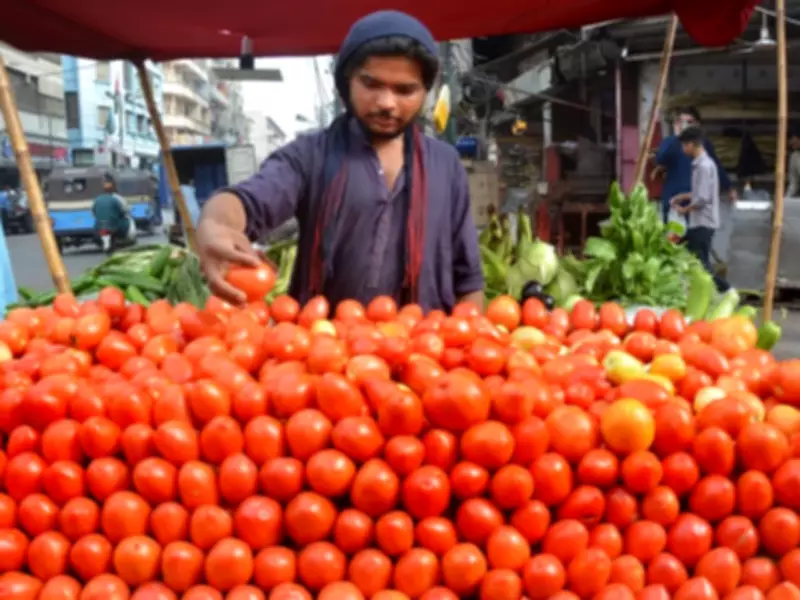
SPI Inflation in Pakistan Accelerates to 51.9% Year-on-Year, Intensifying Economic Strain
Pakistan's Sensitive Price Indicator (SPI) has recorded a significant acceleration in inflation, reaching 51.9% on a year-on-year basis. This sharp rise underscores the mounting economic challenges faced by households, as prices for essential goods continue to climb at an alarming rate. The SPI, which tracks the prices of a basket of essential items, serves as a critical barometer for short-term inflationary trends, and its current surge highlights the persistent cost-of-living pressures across the country.
Key Drivers Behind the Inflation Spike
The acceleration in SPI inflation is primarily attributed to substantial increases in the prices of food items and fuel. Essential commodities such as wheat, sugar, and cooking oil have seen notable price hikes, while rising energy costs have further compounded the financial burden on consumers. This trend reflects broader economic factors, including supply chain disruptions, currency depreciation, and policy adjustments that have contributed to inflationary pressures.
Analysts point out that the year-on-year comparison reveals a stark contrast from previous periods, indicating a worsening inflationary environment. The SPI's climb to 51.9% marks one of the highest rates in recent years, signaling urgent concerns for economic stability and household affordability.

Impact on Households and Daily Life
The surge in SPI inflation has direct implications for Pakistani households, particularly those with limited incomes. As prices for basic necessities escalate, families are forced to allocate a larger portion of their budgets to food and energy, leaving less for other expenses such as healthcare and education. This strain is felt across urban and rural areas, exacerbating poverty and inequality.
Moreover, the inflationary trend is likely to affect consumer confidence and spending patterns, potentially slowing economic growth. Small businesses and low-wage workers are among the most vulnerable, as they struggle to cope with rising input costs and reduced purchasing power.
Government and Policy Responses
In response to the escalating inflation, government authorities and economic policymakers are under pressure to implement measures aimed at stabilizing prices. Potential strategies include:
- Subsidies and Price Controls: Introducing targeted subsidies for essential goods to alleviate immediate burdens on consumers.
- Monetary Policy Adjustments: The central bank may consider interest rate hikes to curb inflationary pressures, though this could impact borrowing and investment.
- Supply-Side Interventions: Enhancing agricultural production and improving distribution networks to address food shortages and reduce price volatility.
However, experts caution that these measures must be balanced with long-term economic reforms to address underlying structural issues, such as fiscal deficits and trade imbalances, which contribute to sustained inflation.
Future Outlook and Economic Implications
Looking ahead, the trajectory of SPI inflation will be closely monitored by economists and policymakers. If current trends persist, there is a risk of further eroding household savings and increasing social unrest. The government's ability to manage inflation will be critical in shaping Pakistan's economic recovery and ensuring social stability.
In conclusion, the acceleration of SPI inflation to 51.9% year-on-year represents a significant economic challenge for Pakistan. With households bearing the brunt of rising prices, urgent and effective policy actions are needed to mitigate the impact and foster a more stable economic environment. As the situation evolves, continued vigilance and adaptive strategies will be essential to navigate these inflationary pressures.