Food Prices Surge Ahead of Ramadan, Straining Household Budgets
As Ramadan approaches, food prices in Pakistan have experienced a significant surge, placing considerable strain on household budgets across the nation. Essential items, including vegetables, fruits, and meat, have seen sharp increases in cost, raising concerns among consumers and economic analysts alike. This price hike is particularly impactful during the holy month, when families traditionally increase their food consumption for iftar and suhoor meals.
Sharp Increases in Essential Commodities
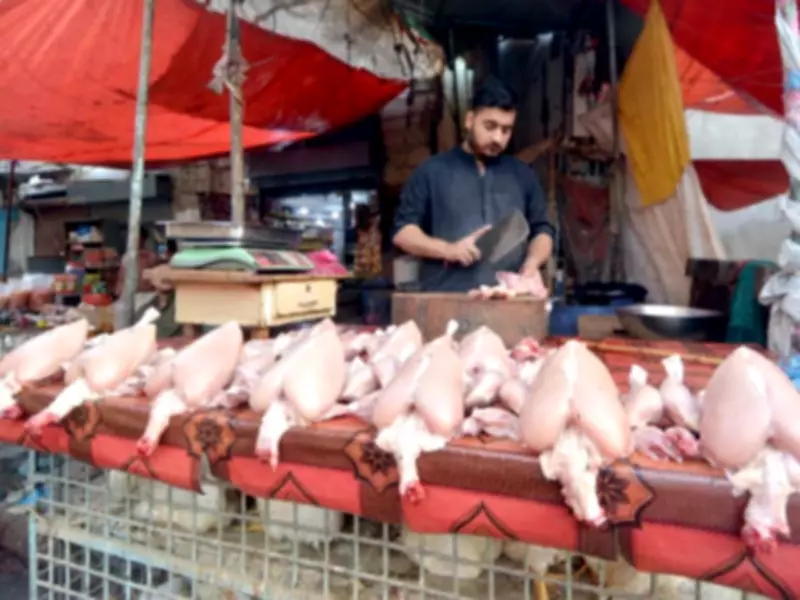
Reports indicate that prices of key food items have risen dramatically in recent weeks. Vegetables such as tomatoes, onions, and potatoes have become notably more expensive, with some markets showing increases of up to 30-40%. Similarly, fruits like bananas, oranges, and apples have also seen substantial price jumps. Meat prices, including chicken, beef, and mutton, have not been spared, with costs climbing due to factors like supply chain disruptions and increased demand.
The surge in food prices is attributed to multiple factors, including seasonal fluctuations, transportation challenges, and inflationary pressures. With Ramadan set to begin soon, the timing of this price hike exacerbates the financial burden on many households, especially those with limited incomes.

Impact on Household Budgets and Inflation Concerns
The rising food costs are putting significant pressure on household budgets, forcing families to make difficult choices about their spending. Many consumers report having to cut back on other expenses or reduce the quantity of food purchased to cope with the higher prices. This situation is particularly concerning for low-income families, who may struggle to afford nutritious meals during Ramadan.
Economists warn that this food price surge could contribute to overall inflation, potentially affecting the broader economy. The government and relevant authorities are being urged to take immediate measures to stabilize prices and ensure the availability of affordable food items. Suggestions include increasing market monitoring, cracking down on hoarding, and facilitating smoother supply chains to mitigate the impact on consumers.
Government Response and Consumer Advice
In response to the escalating prices, government officials have acknowledged the issue and are reportedly considering interventions to provide relief. Potential measures might include subsidies on essential items or price controls in certain markets. However, the effectiveness of such actions remains to be seen, given the complex nature of food pricing dynamics.
Consumers are advised to shop wisely during this period, comparing prices across different markets and opting for locally sourced produce where possible to save costs. Community initiatives, such as collective buying or sharing resources, are also being encouraged to help alleviate the financial strain.
As Ramadan draws near, the focus remains on finding sustainable solutions to address the food price surge and support households in managing their budgets effectively during this important time.