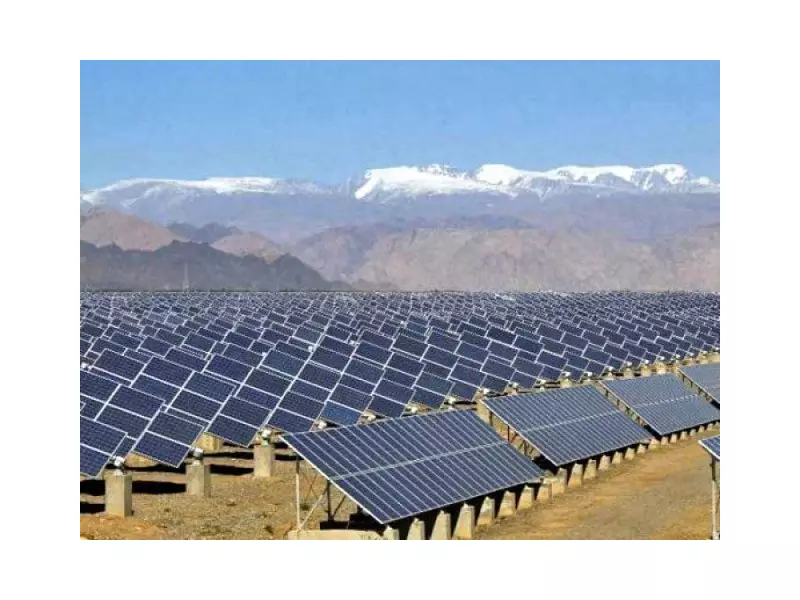
Pakistan's energy landscape is poised for a remarkable transformation as solar power generation is expected to surpass grid electricity demand in several key regions during the upcoming year. This development marks a significant milestone in the country's renewable energy journey and could fundamentally reshape how electricity is distributed and consumed across the nation.
The Solar Energy Surge
According to recent projections from energy experts, Pakistan's solar power output will exceed grid demand in specific energy hubs by 2025. This surprising turn of events comes as the country has aggressively expanded its renewable energy capacity while simultaneously experiencing changes in electricity consumption patterns.
The phenomenon is particularly expected to occur during daylight hours when solar generation reaches its peak performance. This represents a dramatic shift from just a few years ago when power shortages and load-shedding were common occurrences throughout Pakistan. The rapid growth in solar infrastructure, combined with improved grid management, has created conditions where renewable energy could temporarily outpace demand in certain areas.

Regional Impact and Grid Challenges
Energy analysts note that this development presents both opportunities and challenges for Pakistan's power sector. While excess solar generation reduces reliance on expensive imported fuels and decreases the circular debt burden, it also creates technical challenges for grid operators who must manage variable renewable energy flows.
The grid infrastructure will require significant upgrades to handle the intermittent nature of solar power and to ensure stability when generation exceeds consumption. Energy storage solutions and smart grid technologies are becoming increasingly important to balance supply and demand effectively.
This transition also highlights the need for updated energy policies that can accommodate the changing dynamics of power generation. Traditional baseload power plants may need to adjust their operations to complement the solar energy influx rather than compete with it.
Future Prospects and Economic Implications
The projected surplus of solar energy in certain hubs signals a new era for Pakistan's energy independence. Reduced dependence on imported fossil fuels could lead to substantial foreign exchange savings and improve the country's balance of payments situation.
Furthermore, this development creates opportunities for new economic activities that can utilize inexpensive solar power during peak generation hours. Industries may adjust their operations to align with solar availability, while electric vehicle charging infrastructure could benefit from lower-cost daytime electricity.
Energy experts emphasize that continued investment in grid modernization and energy storage will be crucial to fully capitalize on Pakistan's solar potential. The successful integration of renewable energy sources will determine how effectively the country can transition toward a sustainable energy future while maintaining grid reliability and affordability for consumers.
As Pakistan moves closer to achieving its renewable energy targets, the prospect of solar power exceeding grid demand in key areas represents both an achievement and a challenge that requires careful management and strategic planning from energy authorities and policymakers.