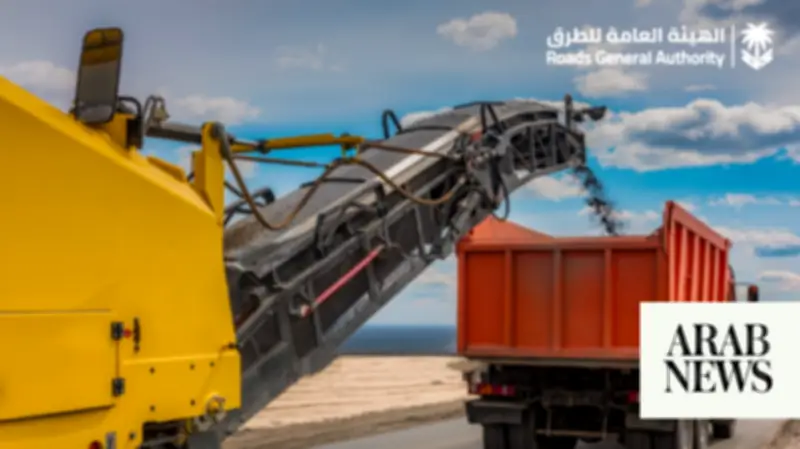
Saudi Arabia opened more than 900 km of new roads during the first half of 2026, with the General Authority for Roads launching 40 projects across the Kingdom to improve connectivity, enhance road safety, and support economic growth under Vision 2030, the Saudi Press Agency reported on Tuesday.
Projects Span Key Regions
The projects are located in Makkah, Madinah, Asir, the Eastern Province, and Qassim. They are designed to strengthen links between cities and regions, reduce travel times, and support tourism, logistics, and commerce. The authority also reported that more than 3.7 million truck journeys were recorded on the Kingdom’s logistics corridors during the first six months of the year, underscoring the road network’s role in facilitating trade, supply chains, and links between ports, border crossings, and economic centers.
Permits and Smart Centers
The authority issued more than 32,000 permits for services across the national road network as part of efforts to streamline procedures and improve service delivery. The first half of the year also saw the launch of a Control and Rapid Response Center and a Smart Control Center for road operations and maintenance. These facilities use advanced technologies and artificial intelligence to monitor the road network, improve maintenance efficiency, and speed emergency response.

Compliance and Cooperation
The authority expanded compliance monitoring of the Saudi Roads Code in the Makkah and Madinah regions and signed five memorandums of understanding with various entities to strengthen cooperation and promote innovation in the sector. During the Hajj season, the authority implemented a range of services and initiatives on roads leading to the holy sites, including the Darbak Noor initiative, mobile service stations, and a specialized Hajj road guide.
Award Recognition
The authority said its efforts were recognized with first place in the Local Content Award for government entities with medium and low spending levels, reflecting its work to improve spending efficiency and increase local content in line with Vision 2030.