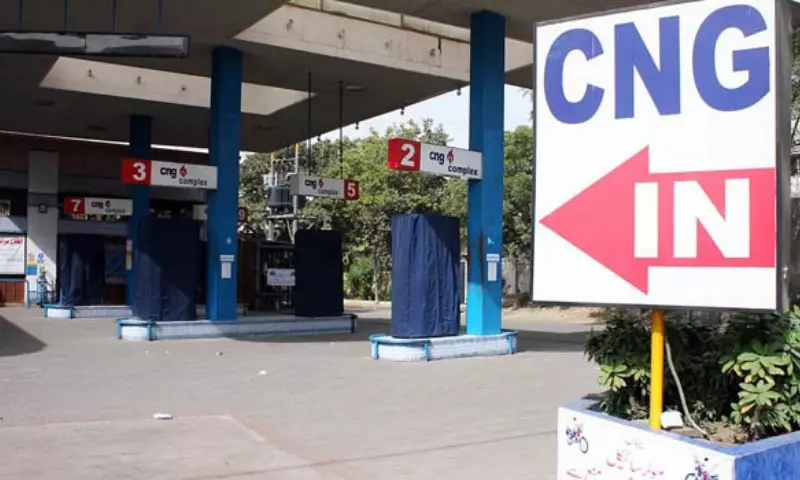
Residents across Khyber Pakhtunkhwa are facing immense difficulties as CNG stations have been shut down for prolonged periods, severely disrupting daily life and livelihoods. The closure, reported to last up to 16 hours, has left commuters and workers in a state of distress.
Widespread Shutdown Across Key Districts
According to reports, the CNG supply has been cut off not just in the provincial capital but in several major districts. Outlets in Peshawar, Mardan, Abbottabad, and Karak are all reported to be closed. This widespread disruption has brought transportation for many to a standstill, affecting both private vehicle owners and public transport operators who rely on the cheaper fuel alternative.
Double Blow: No Gas for Homes or Vehicles
The crisis is twofold. Citizens complain that the 16-hour-long gas shutdowns have created a serious problem, as natural gas is unavailable for both domestic use and at CNG stations. This means households cannot cook or heat water, while simultaneously being unable to fuel their vehicles. The situation has created a perfect storm of inconvenience and hardship.

Livelihoods Hang in the Balance
The impact extends far beyond mere inconvenience, striking at the core of economic survival for many. Daily wage earners are among the hardest hit. Many are forced to spend entire days waiting at stations hoping for supply to resume, time they would otherwise use to earn their living. Residents are openly questioning how they are expected to meet their daily needs and support their families amid this ongoing shortage.
The prolonged closures are having a cascading effect on the local economy. Commuters face inflated transport costs or complete unavailability of vehicles, while those dependent on their own CNG-run vehicles for work, such as taxi and rickshaw drivers, find their income sources directly blocked. The ongoing gas shortage in Khyber Pakhtunkhwa has thus transformed from a utility issue into a full-blown socio-economic crisis, demanding immediate attention from the authorities.