Pakistan's Comprehensive Strategy for Sustainable Energy Security
In a significant move to bolster its energy infrastructure, Pakistan is intensifying efforts to secure sustainable energy supplies through a multi-faceted approach. This strategic push aims to address long-standing challenges in the energy sector, including reliability issues, high costs, and environmental concerns. The government's renewed focus on energy security is driven by the need to support economic growth, reduce dependency on imported fuels, and mitigate the impacts of climate change.
Expanding Renewable Energy Projects
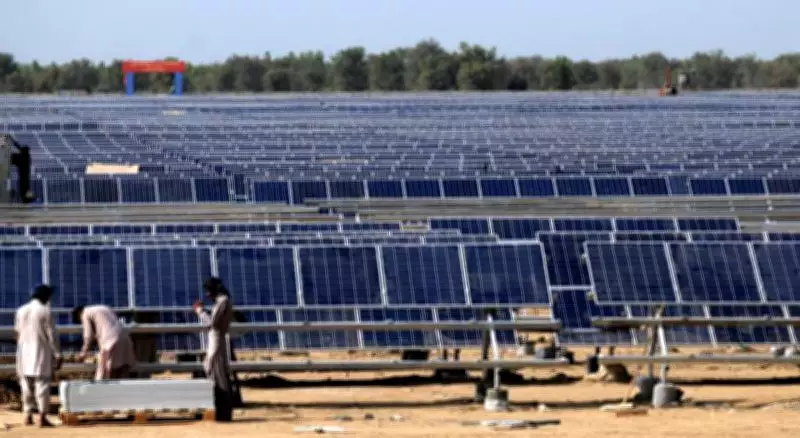
Central to Pakistan's energy strategy is the rapid expansion of renewable energy projects. The country is leveraging its abundant natural resources, such as solar and wind potential, to diversify its energy mix. Large-scale solar farms and wind power installations are being developed across provinces like Sindh and Balochistan, where conditions are optimal. These projects not only contribute to cleaner energy production but also create local employment opportunities and stimulate regional economies.
Moreover, Pakistan is exploring hydropower and biomass energy to further enhance its renewable capacity. Initiatives include upgrading existing hydropower plants and investing in new small-scale hydro projects in northern areas. By prioritizing renewables, Pakistan aims to reduce its carbon footprint and align with global sustainability goals, while ensuring a more resilient energy supply chain.

Modernizing the National Grid and Infrastructure
A critical component of securing sustainable energy is the modernization of Pakistan's national grid and related infrastructure. The government is implementing advanced technologies to improve grid stability, reduce transmission losses, and integrate renewable sources efficiently. Smart grid systems are being deployed to enable real-time monitoring and management of energy flows, enhancing overall reliability.
Additionally, investments are being made in upgrading transmission lines and distribution networks to minimize outages and improve service delivery to consumers. This infrastructure overhaul is essential for accommodating the growing energy demand from industrial, commercial, and residential sectors. By strengthening the grid, Pakistan seeks to prevent energy shortages and ensure a consistent power supply nationwide.
Policy Reforms and International Collaborations
To support these initiatives, Pakistan is enacting policy reforms and fostering international collaborations. Regulatory frameworks are being revised to encourage private sector investment in renewable energy projects, offering incentives such as tax breaks and streamlined approval processes. These reforms aim to create a more competitive and transparent energy market, attracting both domestic and foreign investors.
Furthermore, Pakistan is engaging in partnerships with international organizations and countries to access funding, technology transfer, and expertise. Collaborations focus on areas like energy efficiency, research and development, and capacity building. By leveraging global support, Pakistan accelerates its transition to sustainable energy and enhances its energy security in the long term.
Addressing Challenges and Future Outlook
Despite progress, Pakistan faces challenges in its energy security journey, including financial constraints, technical hurdles, and geopolitical factors. However, the government remains committed to overcoming these obstacles through strategic planning and adaptive measures. Future plans include expanding energy storage solutions, such as battery systems, to manage intermittent renewable sources and ensure supply stability.
In conclusion, Pakistan's efforts to secure sustainable energy supplies are pivotal for its economic and environmental future. By focusing on renewable expansion, grid modernization, and policy reforms, the country is laying a strong foundation for a resilient and self-sufficient energy sector. Continued dedication to these strategies will be crucial in achieving long-term energy security and supporting sustainable development goals.