NEPRA Evaluates Fixed Monthly Charges for Small Power Consumers After Net Metering Policy Adjustments
In a significant development for Pakistan's energy sector, the National Electric Power Regulatory Authority (NEPRA) is currently weighing the introduction of fixed monthly charges for small power consumers. This consideration follows recent changes to the net metering policy, which have sparked widespread discussion among stakeholders and the public.
Background on Net Metering Changes
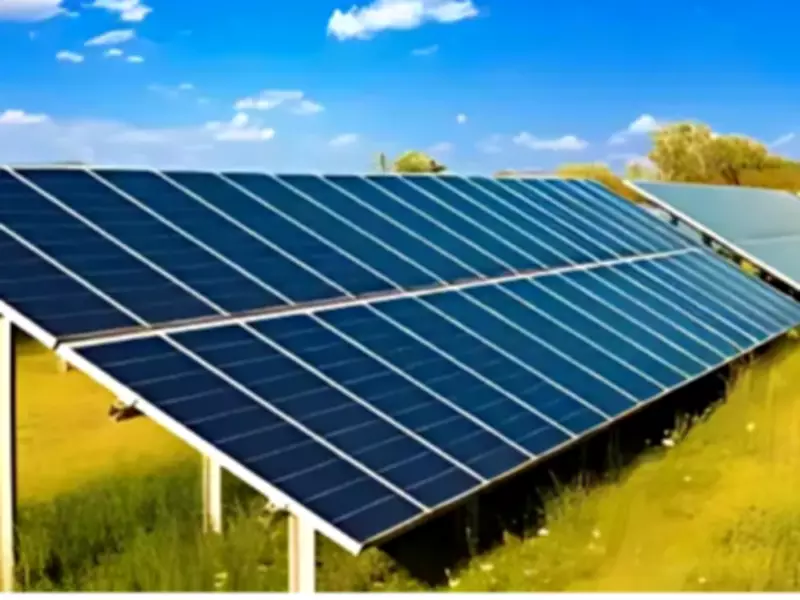
Net metering, a system that allows consumers with solar panels or other renewable energy sources to sell excess electricity back to the grid, has undergone revisions in Pakistan. These adjustments aim to balance the grid and ensure fair compensation, but they have also raised concerns about the financial viability for small-scale producers. The new policy shifts from a one-to-one credit system to a more complex tariff structure, potentially reducing incentives for renewable energy adoption.
Proposal for Fixed Monthly Charges
NEPRA's proposal involves implementing fixed monthly charges specifically targeted at small power consumers, typically households and small businesses. Under this plan, consumers would pay a set fee regardless of their electricity usage, in addition to variable charges based on consumption. The authority argues that this could help recover fixed costs associated with grid maintenance and operation, which are currently subsidized or spread across all users.

Key aspects of the proposal include:
- Charges would apply to consumers with low to moderate electricity usage, often defined by specific consumption brackets.
- The fixed fee structure is designed to ensure that all users contribute to grid infrastructure costs, even if they generate their own power through net metering.
- NEPRA is conducting consultations with distribution companies, consumer groups, and renewable energy advocates to refine the details.
Potential Impacts on Consumers and the Energy Market
If implemented, fixed monthly charges could have several implications for Pakistan's energy landscape. For small consumers, this might lead to higher overall electricity bills, particularly for those who rely heavily on net metering to offset costs. It could also dampen enthusiasm for installing solar panels, as the financial benefits may be reduced.
On the other hand, proponents suggest that such charges could stabilize revenue for distribution companies, potentially improving grid reliability and reducing the need for government subsidies. This move aligns with broader efforts to reform Pakistan's energy sector, which has long struggled with issues like circular debt and inefficiencies.
Stakeholder Reactions and Next Steps
The proposal has elicited mixed reactions from various stakeholders. Consumer rights groups express concern about the burden on households, especially in a context of rising inflation. Meanwhile, energy experts highlight the need for a balanced approach that supports both grid sustainability and renewable energy growth.
NEPRA is expected to finalize its decision after further analysis and public feedback. The outcome will likely influence Pakistan's progress toward its renewable energy targets and the affordability of electricity for millions of citizens.