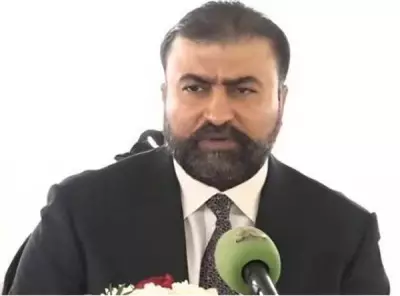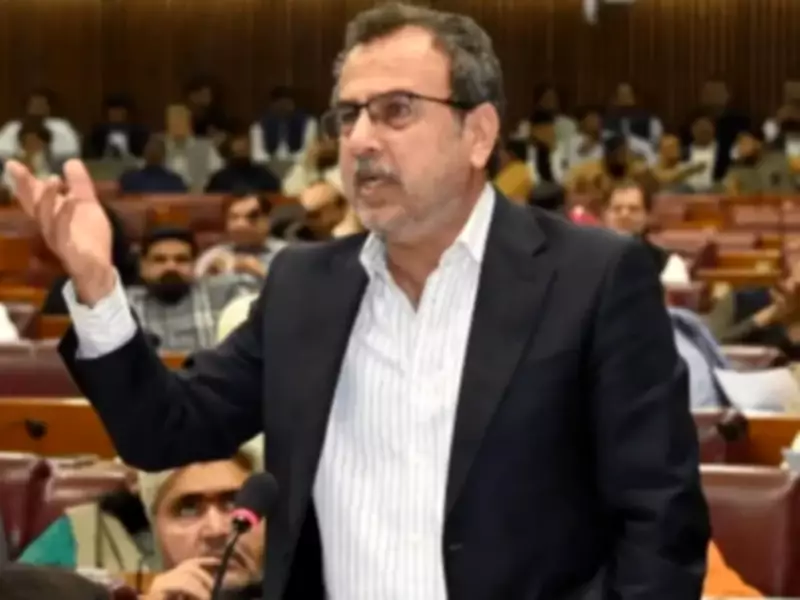
Power Minister Defends Move to Abolish Net Metering as Legal Amid Senate Fury
In a recent development that has sparked significant controversy, Pakistan's Power Minister has come forward to defend the government's decision to abolish net metering, asserting that the move is fully in line with existing laws. This announcement comes amid a wave of fury and opposition from members of the Senate, who have expressed strong concerns over the implications of this policy change.
Legal Justification for the Decision
The Power Minister emphasized that the abolition of net metering is not an arbitrary action but is grounded in legal frameworks and regulatory provisions. According to the minister, the decision was made after thorough consultations and assessments to ensure compliance with national electricity policies and laws. This stance is intended to address any potential legal challenges and to provide a clear rationale for the government's approach to energy management.
Net metering has been a key mechanism for promoting renewable energy adoption in Pakistan, allowing consumers to generate their own electricity through solar panels and feed excess power back into the grid. The minister's defense highlights the government's perspective that this system may need reevaluation to align with broader energy goals and legal standards.

Senate Opposition and Criticism
Despite the minister's justifications, the move has faced intense backlash in the Senate. Senators from various political parties have voiced their fury, arguing that abolishing net metering could undermine efforts to boost renewable energy and increase electricity costs for consumers. They have raised questions about the transparency of the decision-making process and its potential impact on Pakistan's energy sector.
Key points of criticism from the Senate include:
- Concerns over reduced incentives for solar energy adoption.
- Fears of higher electricity bills for households and businesses.
- Calls for more public consultation before implementing such changes.
The Senate's reaction underscores the deep divisions and heated debates surrounding energy policies in Pakistan, with many lawmakers urging the government to reconsider or provide more detailed explanations for the abolition.
Broader Implications for Pakistan's Energy Sector
This controversy over net metering is part of a larger discussion about Pakistan's energy future. The government's move could signal a shift in how renewable energy is integrated into the national grid, potentially affecting investment in solar power and other green technologies. Supporters of the abolition argue that it may help stabilize the electricity system and reduce subsidies, while opponents warn it could slow progress toward sustainable energy goals.
As the debate continues, stakeholders from the energy industry, environmental groups, and the public are closely watching developments. The Power Minister's defense and the Senate's fury highlight the complex balancing act between legal compliance, economic considerations, and environmental sustainability in shaping Pakistan's energy policies.
In conclusion, while the Power Minister stands firm on the legality of abolishing net metering, the Senate's strong opposition reflects broader concerns about the policy's impact. This situation is likely to remain a contentious issue in Pakistan's political and energy landscapes, with further discussions and potential revisions expected in the coming months.