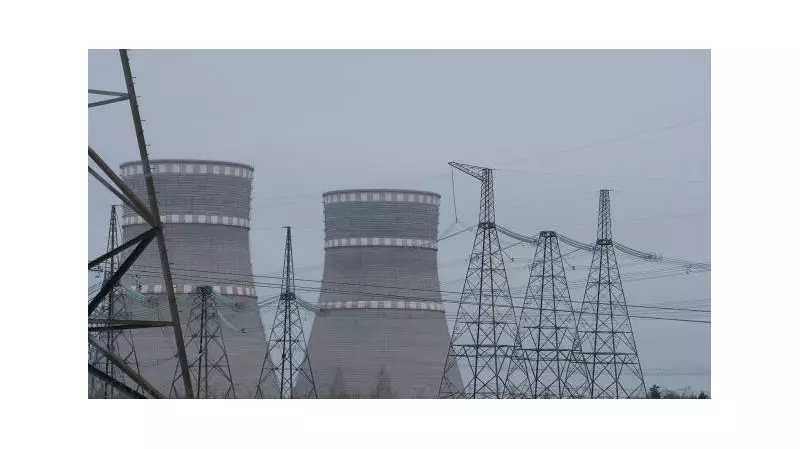
In a landmark decision that signals a major shift in Japan's energy policy, regulators have given the green light to restart the world's largest nuclear power plant for the first time since the 2011 Fukushima disaster. The Kashiwazaki-Kariwa nuclear plant, located in Niigata prefecture, has received official approval to resume operations after years of safety upgrades and regulatory reviews.
Historic Decision for Japan's Energy Future
The Nuclear Regulation Authority of Japan formally approved the restart of Tokyo Electric Power Company's (TEPCO) Kashiwazaki-Kariwa plant, which boasts seven reactors with a combined capacity of 8.2 gigawatts. This monumental decision comes after extensive safety enhancements and represents the first nuclear facility to receive restart approval since the catastrophic Fukushima incident that reshaped Japan's nuclear landscape.
The approval marks a crucial turning point for Japan's energy security as the nation grapples with power shortages and rising energy import costs. With seven reactor units, the plant alone can power millions of Japanese households and significantly reduce the country's reliance on imported fossil fuels.

Safety Upgrades and Regulatory Compliance
Following the Fukushima disaster, Japanese nuclear facilities underwent rigorous safety reassessments and mandatory upgrades. The Kashiwazaki-Kariwa plant implemented comprehensive safety measures including enhanced tsunami protection walls, emergency cooling systems, and backup power facilities designed to withstand severe natural disasters.
Regulatory authorities conducted multiple inspections and stress tests to ensure the plant meets the world's most stringent safety standards. TEPCO has invested billions of dollars in safety improvements and has worked to regain public trust through transparency and community engagement initiatives.
The plant's restart approval follows similar moves for other nuclear facilities across Japan, but the scale of Kashiwazaki-Kariwa makes this decision particularly significant for the country's energy portfolio.
Economic and Environmental Implications
The reactivation of Japan's nuclear fleet carries substantial economic benefits. Nuclear power generation will help stabilize electricity prices and reduce the nation's substantial energy import bill, which has weighed heavily on Japan's trade balance since the nuclear shutdowns began.
Environmentally, nuclear energy offers Japan a pathway to meet its climate commitments. As the world's fifth-largest carbon emitter, Japan has struggled to reduce emissions while maintaining energy security. The return of nuclear power provides a low-carbon energy source that can complement renewable energy initiatives.
Local communities in Niigata prefecture have expressed mixed reactions, with some welcoming the economic benefits and job creation, while others remain concerned about safety despite the extensive upgrades.
The restart process will proceed in phases, with initial operations focusing on a limited number of reactors while monitoring systems and emergency response capabilities. Full operational capacity is expected to be achieved gradually over the coming years as each reactor completes final safety checks and receives local government approvals.
This decision represents a carefully balanced approach to energy policy that acknowledges both the necessity of nuclear power for Japan's economy and the imperative of maintaining the highest safety standards learned from past experiences.