Aramco CEO Issues Dire Warning Over Strait of Hormuz Blockade
Saudi Arabia's state-owned oil giant, Aramco, the world's largest oil exporter, issued a stark warning on Tuesday, stating that the ongoing disruption to shipping in the Strait of Hormuz due to the Iran war could have catastrophic consequences for global oil markets. The vital shipping artery, through which approximately 20% of the world's oil passes daily, has seen shipments largely blocked, creating a severe crisis in the region's energy sector.
Iran's Threat and Global Market Turmoil
Iran's Revolutionary Guards declared on Tuesday that they would prevent one litre of oil from being shipped from the Middle East if US and Israeli attacks persist. Aramco CEO Amin Nasser emphasized the gravity of the situation during an earnings call, noting that the longer the disruption continues, the more drastic the impact on the global economy. He described this as the biggest crisis ever faced by the region's oil and gas industry, surpassing past disruptions.
Domino Effects Across Multiple Industries
Nasser highlighted that the crisis extends beyond shipping and insurance, with potential drastic domino effects on a wide range of sectors, including:

- Aviation
- Agriculture
- Automotive
- Other key industries
This broad impact underscores the interconnectedness of global supply chains and the critical role of oil in sustaining economic activities worldwide.
Oil Price Volatility and US Response
Global crude benchmark Brent experienced significant volatility, surging to a three-year high of nearly $120 per barrel on Monday before dropping to around $92 on Tuesday. This fluctuation followed comments by US President Donald Trump, who predicted the war could end soon but warned that the US would hit Iran much harder if it blocks exports from the energy-rich region. Trump also mentioned the possibility of the US Navy escorting ships in the Gulf to ensure safe passage, though the Navy's capacity to do so remains unclear due to ongoing military engagements.
Aramco's Current Operations and Strategic Adjustments
Nasser reported that global oil inventories are at a five-year low, and the crisis is accelerating drawdowns, making it critical to resume shipping in the strait. Currently, Aramco is not exporting oil from the Gulf as ships cannot load cargoes from there. However, the company is meeting most of its customers' needs by utilizing alternative routes. Key measures include:
- Using the East-West pipeline to transport Arab Light and Arab Extra Light crude grades to the Red Sea port of Yanbu.
- Expecting the pipeline to reach its full capacity of 7 million barrels per day in the coming days as customers re-route shipments.
- Directing crude towards domestic demand to mitigate export challenges.
Refinery Incident and Financial Performance
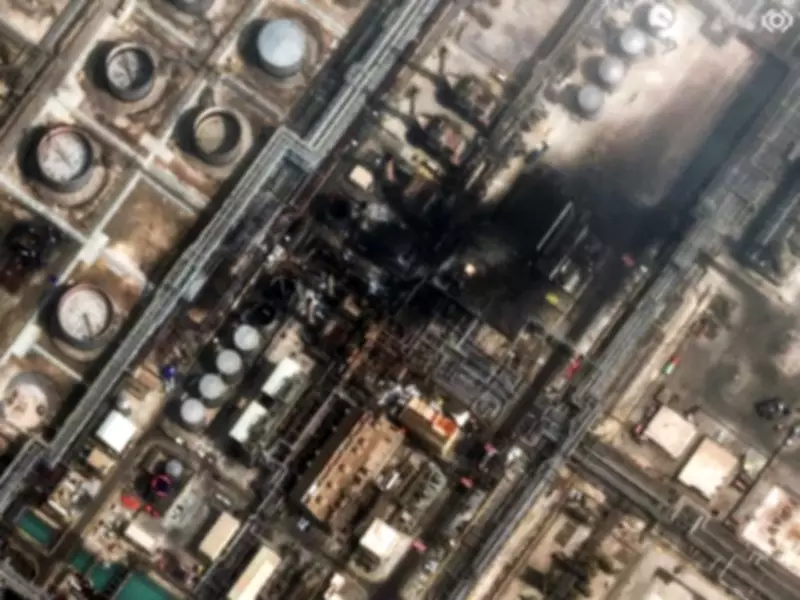
Nasser addressed a recent incident at Aramco's Ras Tanura refinery, the largest domestically, where a small fire from an attack last week was quickly extinguished and brought under control. The refinery is in the process of being restarted. These developments come as Aramco reported a 12% drop in annual profit, primarily due to lower crude prices, and announced its first-ever share buyback program, repurchasing up to $3 billion worth of shares.
The situation in the Strait of Hormuz remains fluid, with Aramco's warnings highlighting the urgent need for resolution to prevent further economic fallout on a global scale.