The Triangle Shirtwaist Factory Fire: A Pivotal Moment in American Labor History
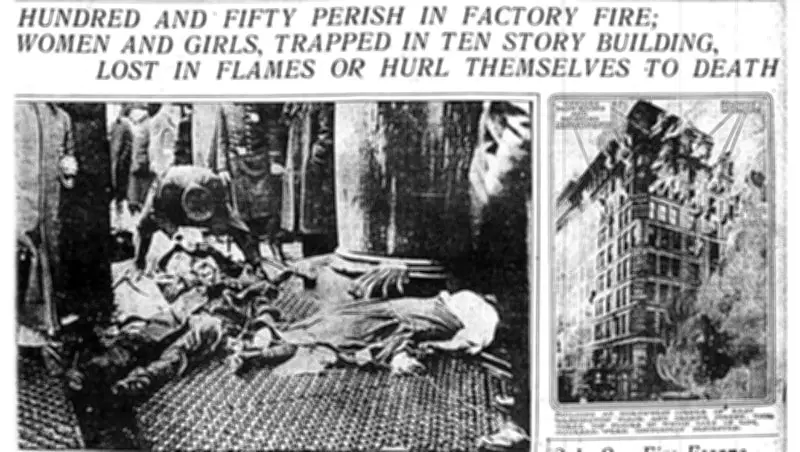
The Triangle Shirtwaist Factory fire, which occurred on March 25, 1911, stands as one of the most devastating industrial disasters in United States history. This catastrophic event claimed the lives of 146 garment workers, predominantly young immigrant women, in a horrific blaze at the factory located in New York City. The tragedy unfolded rapidly, with flames engulfing the building and trapping many employees due to locked exit doors and a lack of adequate fire safety protocols.
Exposing Deplorable Working Conditions
The fire brutally exposed the appalling working conditions prevalent in early 20th-century American factories. Investigations revealed that exit doors were often locked to prevent theft and unauthorized breaks, severely hindering escape routes during the emergency. Additionally, the factory suffered from insufficient fire escapes, flammable materials, and minimal safety training for workers. These factors combined to create a deadly environment, leading to the high casualty toll that shocked the nation and drew widespread public outrage.
Catalyst for Labor Reforms and Workers' Rights
In the aftermath of the disaster, the Triangle fire acted as a powerful catalyst for significant labor reforms. The public outcry and media coverage galvanized activists, unions, and policymakers to demand change, resulting in the implementation of stricter workplace safety regulations. Key reforms included mandatory fire drills, improved building codes, and the establishment of oversight bodies to inspect factories. Moreover, the tragedy strengthened the labor movement, fostering greater advocacy for workers' rights, such as fair wages and reasonable hours, which have since become foundational elements of modern employment standards.

Enduring Legacy and Modern Impact
The legacy of the Triangle Shirtwaist Factory fire continues to resonate today, leaving an indelible mark on industrial history and shaping contemporary workplace practices. It serves as a somber reminder of the importance of safety and ethical labor conditions, influencing ongoing discussions about worker protection globally. The event ignited a collective demand for accountability and reform, demonstrating how tragedy can spur progress and inspire lasting change in societal norms and legal frameworks.