Prime Minister Unveils Comprehensive Industrial Support Package
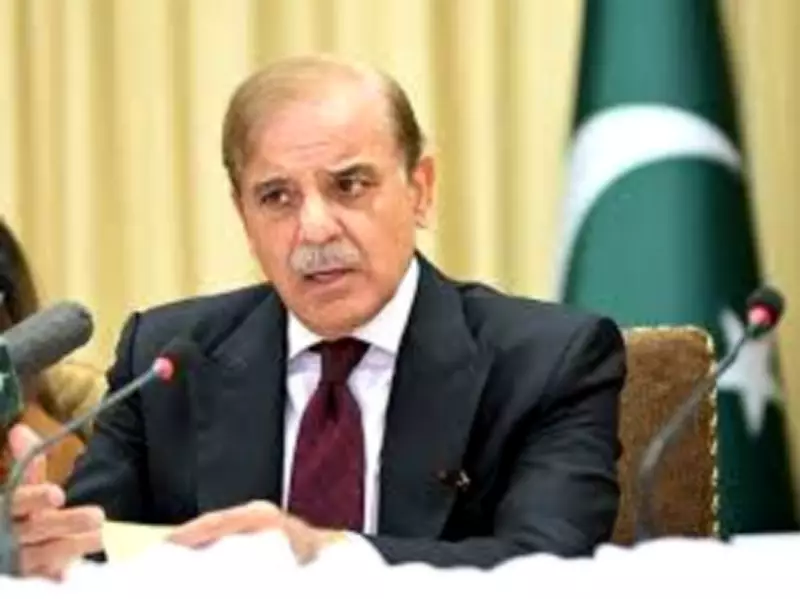
Prime Minister Shehbaz Sharif on Thursday unveiled a substantial relief package specifically designed for Pakistan's industrial sector, featuring a notable reduction in electricity tariffs by Rs4.40 per unit. This initiative aims to alleviate the burden of high energy costs on businesses across the nation.
Addressing Economic Challenges
Speaking at a ceremony in Islamabad that honored leading exporters and businessmen, the prime minister emphasized the government's role as a facilitator rather than a business operator. "Our primary responsibility is to create a conducive environment for economic growth and industrial expansion," PM Shehbaz stated, underscoring the administration's commitment to supporting private sector development.
Key Measures Announced
The relief package includes several critical components:

- Electricity Tariff Reduction: A cut of Rs4.40 per unit for industrial consumers.
- Wheeling Charges: Reduction to below Rs9 per unit for industries.
- Export Refinance Scheme (EFS): The rate has been slashed from 7.5 percent to 4.5 percent, providing cheaper working capital to exporters through the State Bank of Pakistan.
PM Shehbaz expressed his desire to implement even deeper cuts, noting, "While I wish to reduce electricity tariffs by an additional Rs10 per unit, fiscal constraints currently limit our capacity to do so."
Economic Stabilization and Challenges
The prime minister confidently declared that Pakistan's economy has achieved stabilization, citing several positive indicators:
- Inflation has decreased to single digits.
- The policy rate stands at 10.5 percent.
- Foreign exchange reserves have doubled, although a portion comprises loans from friendly nations.
He specifically acknowledged the support from China, Saudi Arabia, the United Arab Emirates, and Qatar, highlighting China's rollover of billions of dollars in loans. "We approached our friendly countries with a clear, IMF-backed economic program, which has been instrumental in our recovery," PM Sharif remarked.
Persisting Economic Hurdles
Despite these advancements, the prime minister admitted that significant challenges remain. "While the economy has stabilized, conditions are not yet ideal," he cautioned, pointing to rising unemployment and slower-than-expected export growth as key concerns. He stressed the necessity of further reductions in the policy rate to enhance industrial capacity and stimulate economic activity.
Broader Reform Agenda
Highlighting the government's ongoing reform efforts, PM Sharif outlined initiatives to reduce taxes, curb smuggling, and cut unnecessary expenditures. He reported that actions in the sugar sector have generated an additional Rs50 billion in revenue, while efforts to combat petrol smuggling are now yielding Rs12 billion per month. These measures are part of a broader strategy to strengthen Pakistan's economic foundation and promote sustainable growth.