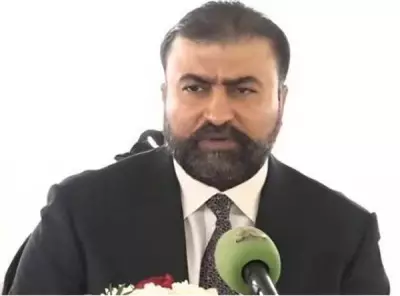
Pakistan's Economic Window of Opportunity: Navigating Global Shifts
Pakistan stands at a pivotal juncture in its economic development, with a unique window of opportunity emerging from evolving global dynamics. This critical period demands immediate and strategic action to harness potential growth and avoid the risks of economic stagnation. As international trade patterns shift and new markets open, Pakistan must position itself to capitalize on these changes through comprehensive reforms and targeted investments.
The Global Context and Pakistan's Position
The current global economic landscape is characterized by significant transitions, including supply chain realignments, technological advancements, and changing geopolitical alliances. For Pakistan, this presents both challenges and unprecedented opportunities. The country's strategic location, coupled with a young and growing population, offers a solid foundation for economic expansion. However, leveraging these advantages requires addressing longstanding structural issues, such as improving infrastructure, enhancing regulatory frameworks, and fostering a business-friendly environment.
Key areas of focus include boosting exports, attracting foreign direct investment, and developing key sectors like manufacturing and technology. By aligning domestic policies with global trends, Pakistan can enhance its competitiveness on the international stage. This involves not only economic measures but also political stability and effective governance to build investor confidence.

Strategic Reforms for Sustainable Growth
To fully exploit this window of opportunity, Pakistan must implement a series of strategic reforms. These should prioritize fiscal discipline, tax system improvements, and efforts to reduce the trade deficit. Additionally, investing in human capital through education and skills development is crucial for long-term prosperity. The government's role in facilitating public-private partnerships and supporting innovation will be vital in driving economic transformation.
Timing is of the essence, as delays could result in missed chances and increased vulnerability to external shocks. Proactive measures, such as diversifying export markets and embracing digitalization, can help Pakistan navigate uncertainties and secure a more resilient economy. Collaboration with international partners and regional economic blocs will further amplify these efforts.
Potential Outcomes and Future Prospects
If Pakistan acts decisively, the potential outcomes are promising. Economic growth could accelerate, leading to job creation, poverty reduction, and improved living standards. Conversely, failure to seize this moment may result in continued economic challenges, including inflation and debt burdens. The path forward requires collective action from policymakers, businesses, and civil society to ensure that Pakistan does not let this window of opportunity close.
In summary, Pakistan's economic future hinges on its ability to respond effectively to global shifts. By embracing reform and innovation, the country can unlock new avenues for prosperity and stability in the years ahead.