In a pivotal move to address its prolonged financial meltdown, the Lebanese government has given its nod to a draft law outlining how the massive losses from the 2019 economic collapse will be shared among the state, the central bank, commercial banks, and depositors.
A Contentious Yet Crucial Step Forward
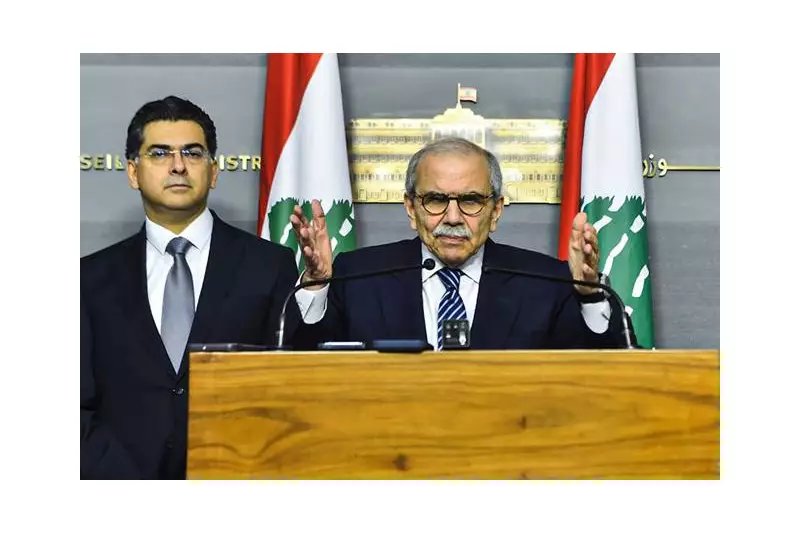
The cabinet, led by Prime Minister Nawaf Salam, approved the draft legislation on Friday, but not without significant internal division. The vote saw 13 ministers in favour and nine against, highlighting the strong opposition from political and banking figures. The bill is now headed to Lebanon's fractured parliament for final approval before it can take effect.
Prime Minister Salam acknowledged the draft is imperfect, telling reporters after the session that it "is not ideal... and may not meet everyone’s aspirations." However, he defended it as "a realistic and fair step on the path to restoring rights, stopping the collapse... and healing the banking sector." The law is a fundamental demand from the International Monetary Fund (IMF) and other international donors who have tied crucial economic aid to Lebanon's implementation of long-stalled financial reforms.

How the $70 Billion Losses Will Be Distributed
The scale of the financial devastation is monumental. Government estimates peg the losses at around $70 billion, a figure that has likely grown over the six years the crisis festered without a resolution.
The draft law introduces a tiered system for depositors:
- Small depositors, holding accounts with less than $100,000 and constituting 85% of all accounts, will recover their funds in full over a four-year period.
- Larger depositors will be able to access up to $100,000, with the remainder of their frozen funds converted into tradable bonds. These bonds will be backed by the assets of the Banque du Liban, Lebanon's central bank, which Salam stated holds a portfolio worth approximately $50 billion.
Accountability and Sector Revival
A significant aspect of the new bill, according to the Prime Minister, is the introduction of "accountability and oversight for the first time." It targets those who allegedly exploited their positions before the 2019 collapse.
"Everyone who transferred their money before the financial collapse in 2019 by exploiting their position or influence... and everyone who benefited from excessive profits or bonuses will be held accountable and required to pay compensation of up to 30 percent of these amounts," Salam declared.
Responding to banking sector complaints that the law burdens them excessively, Salam countered that the legislation also aims to revive the banking sector by assessing bank assets and facilitating their recapitalization.
The international community, which has closely monitored the process, reacted positively. France, a key supporter of Lebanese reforms, welcomed the cabinet's decision, calling it "an essential first step towards restoring the confidence of the Lebanese people in Lebanon’s banking system." The IMF has consistently stressed the need for such reforms to restore the banking sector's viability and protect small depositors.
This draft law follows other recent financial reform laws passed by parliament, including banking secrecy reform and a banking sector restructuring law. However, political observers remain skeptical, doubting that the deeply divided parliament will pass this highly sensitive bill before the next legislative elections scheduled for May.