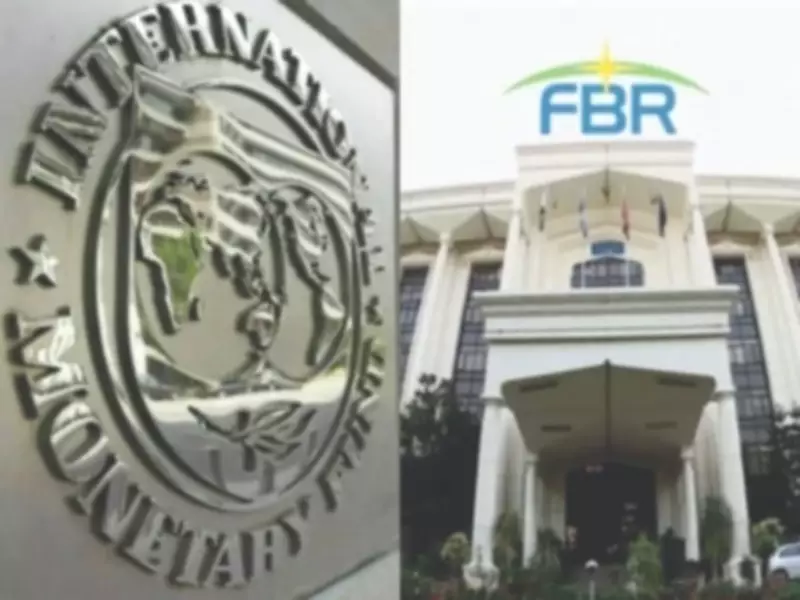
IMF to Establish Tax Benchmarks for Pakistan's FBR in New Bailout Program
The International Monetary Fund has reached a significant agreement with Pakistan to establish specific tax collection benchmarks for the Federal Board of Revenue as part of a new bailout program. This development comes as Pakistan seeks to strengthen its fiscal position and address longstanding issues with revenue generation.
Details of the Agreement
Under the terms of the agreement, the IMF will work closely with Pakistani authorities to set measurable targets for tax collection. These benchmarks are designed to ensure that the FBR meets its revenue goals and implements necessary reforms to improve efficiency and transparency in the tax system.
The benchmarks will cover various aspects of tax administration, including:

- Revenue collection targets for different tax categories
- Measures to broaden the tax base and reduce evasion
- Improvements in taxpayer services and compliance
- Enhanced use of technology for tax collection and monitoring
Implications for Pakistan's Economy
This move is expected to have far-reaching implications for Pakistan's economy. By setting clear benchmarks, the IMF aims to ensure that Pakistan adheres to fiscal discipline and makes tangible progress in revenue generation. This is crucial for the country's economic stability and its ability to meet its financial obligations.
The agreement also underscores the IMF's commitment to supporting Pakistan's economic reforms. The benchmarks will serve as a roadmap for the FBR, guiding its efforts to modernize the tax system and increase revenue collection. This, in turn, will help Pakistan reduce its budget deficit and create a more sustainable fiscal environment.
Challenges and Opportunities
While the establishment of tax benchmarks presents an opportunity for Pakistan to improve its tax system, it also comes with challenges. The FBR will need to implement significant reforms to meet the targets set by the IMF. This may require changes in tax policies, administrative procedures, and enforcement mechanisms.
However, successful implementation of these benchmarks could lead to a more robust and efficient tax system. It could also enhance investor confidence and support economic growth by ensuring that the government has the resources needed for development projects and social programs.
In conclusion, the IMF's decision to set tax benchmarks for Pakistan's FBR marks a critical step in the country's economic reform journey. It reflects a shared commitment to fiscal responsibility and sets the stage for improved revenue collection and economic stability in the years to come.