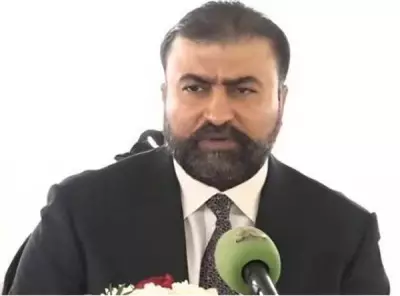
ISLAMABAD - Dr Gohar Ejaz, Chairman of the Economic Policy and Business Development (EPBD) think tank, has expressed strong support for the government's comprehensive reforms package aimed at revitalizing Pakistan's export sector. The landmark decisions, approved by Prime Minister Shehbaz Sharif, represent a significant shift in industrial policy designed to enhance the country's global trade position.
Key Reforms to Reduce Business Costs
The government has implemented three major policy changes that are expected to substantially lower production expenses for Pakistani industries. First, export refinance rates have been reduced to 4.5 percent, making financing more accessible for export-oriented businesses. Second, the elimination of cross-subsidy on industrial electricity tariffs will directly benefit manufacturing units across the country. Third, wheeling charges have been significantly reduced to facilitate renewable energy adoption.
Impact on Electricity Costs
Industry analysts estimate that the removal of cross-subsidy alone will result in electricity price reductions of approximately Rs4.04 per unit for industrial consumers. This substantial decrease addresses one of the most persistent complaints from Pakistan's manufacturing sector regarding high operational costs that have hindered competitiveness in international markets.

Renewable Energy Accessibility
Dr Ejaz emphasized that the reduction of wheeling charges below Rs9 per unit represents a particularly important development. This policy change enables industries to establish wheeling arrangements with power distribution companies (DISCOs), allowing them to utilize more affordable renewable energy sources including solar and wind power. This dual benefit enhances both economic competitiveness and environmental sustainability for Pakistan's industrial sector.
Addressing Longstanding Challenges
According to Dr Ejaz, high energy costs have consistently ranked among the primary obstacles facing Pakistani exporters. He described the government's latest measures as a decisive and timely intervention that directly addresses this fundamental constraint. By reducing electricity expenses and facilitating renewable energy integration, these reforms position Pakistani industries to better compete with regional counterparts in global markets.
Future Export Potential
The EPBD chairman outlined an ambitious vision for Pakistan's export future, suggesting the country possesses the potential to achieve goods and services exports worth $100 billion by 2030. However, he emphasized that realizing this potential requires sustained policy support and continuous reforms aimed at reducing production costs across all industrial sectors.
Dr Ejaz called for ongoing government commitment to industrial development through timely policy decisions and consistent implementation of business-friendly measures. He noted that maintaining this reform momentum could transform Pakistan's economic landscape and establish the country as a competitive manufacturing hub in the region.