Government Announces Significant Increase in Fuel Prices
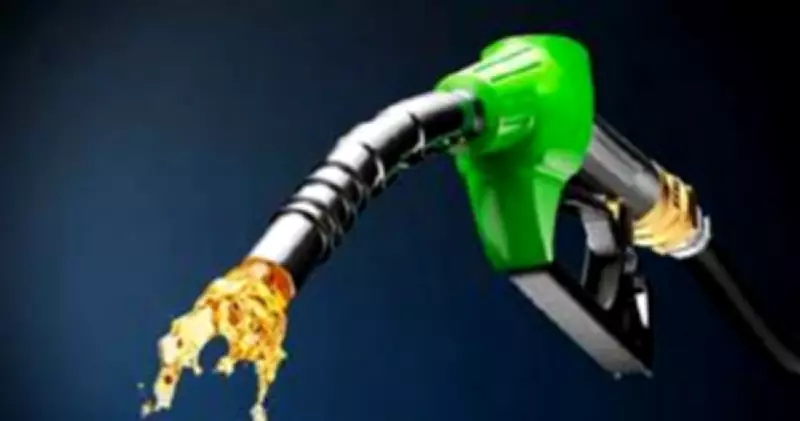
The federal government has implemented a substantial hike in fuel prices, marking a notable shift in energy costs for consumers across Pakistan. Effective immediately, the price of petrol has been increased by Rs8 per liter, while high-speed diesel sees a rise of Rs5 per liter. This decision, announced on March 1, 2026, is part of the government's regular price adjustment mechanism, which reviews and sets fuel rates based on international market trends and domestic economic factors.
Details of the Price Adjustment
The new prices reflect adjustments aimed at aligning domestic fuel costs with global oil prices and managing fiscal pressures. Petrol, a key fuel for private vehicles and small transport, now costs significantly more, potentially affecting daily commuters and household budgets. High-speed diesel, crucial for the transportation and agricultural sectors, has also seen a notable increase, which could lead to higher freight charges and input costs for farmers.
This price hike comes amid ongoing economic challenges, including inflation and currency fluctuations. The government has cited rising international crude oil prices and exchange rate variations as primary reasons for the adjustment. Officials emphasize that such measures are necessary to reduce subsidies and stabilize the energy sector, ensuring long-term sustainability.

Expected Impacts on the Economy and Public
The increase in fuel prices is anticipated to have widespread effects:
- Inflationary pressure: Higher transportation costs may lead to increased prices for goods and services, contributing to overall inflation.
- Transportation sector: Public transport fares and logistics expenses are likely to rise, affecting both urban and rural populations.
- Agricultural costs: Farmers relying on diesel for machinery and irrigation could face higher production expenses, potentially impacting food prices.
- Consumer spending: Households may need to adjust their budgets due to increased fuel expenses, reducing disposable income for other necessities.
Analysts suggest that this move could spark public concern, especially among low-income groups already grappling with economic hardships. The government has assured that it will monitor the situation closely and consider relief measures if needed, but critics argue that such hikes disproportionately burden ordinary citizens.
Context and Future Outlook
This price adjustment follows previous fluctuations in fuel rates, driven by volatile global oil markets and domestic policy decisions. The government's approach to fuel pricing has been a contentious issue, with debates over balancing fiscal needs with public welfare. Looking ahead, further changes may occur based on international trends and economic conditions, highlighting the need for strategic energy planning.
In summary, the Rs8 increase in petrol and Rs5 hike in high-speed diesel represent a significant policy shift with far-reaching implications. As Pakistan navigates economic challenges, the impact of these fuel price adjustments will be closely watched by stakeholders across sectors.