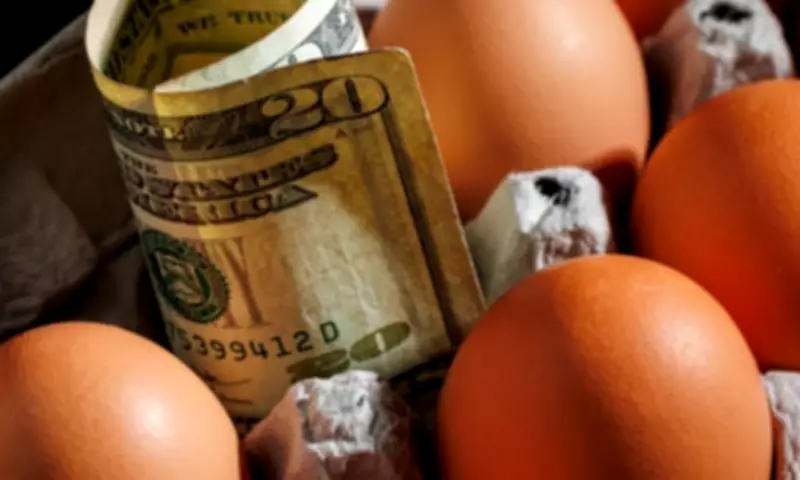
Americans Spend Less on Food Than Ever, Yet Feel Strapped: The Paradox Explained
In a surprising economic trend, Americans are currently allocating a smaller portion of their income to food than at almost any point in history. According to recent data, the percentage of disposable income spent on food has reached record lows, reflecting broader shifts in the economy and consumer behavior. However, this statistic contrasts sharply with the widespread perception of financial strain among many households, who report feeling increasingly burdened by grocery bills and dining costs.
The Data Behind the Decline
Historical analysis shows that food spending as a share of income has steadily decreased over the decades. In the mid-20th century, Americans spent upwards of 20% of their income on food, but today, that figure has dropped to around 10% or less for many. This decline is attributed to factors such as increased agricultural productivity, advancements in food processing and distribution, and the rise of low-cost retail options. Additionally, overall income growth, though uneven, has outpaced food price inflation in many periods, making food relatively more affordable in percentage terms.
Why It Doesn't Feel That Way
Despite the favorable data, many Americans express frustration over rising food costs. This disconnect stems from several key factors:

- Income Inequality: While average incomes have risen, gains have been concentrated among higher earners. Lower- and middle-income households often see stagnant wages, making even small increases in food prices feel significant.
- Hidden Costs: Modern food spending includes more than just groceries. Expenses like dining out, prepared meals, and specialty items have increased, adding to the overall financial burden without always being fully accounted for in basic food expenditure statistics.
- Perception vs. Reality: Psychological factors play a role; people tend to notice price hikes more than stable or declining costs, leading to a heightened sense of strain.
- Other Financial Pressures: Rising costs in housing, healthcare, and education mean that even if food takes a smaller slice of the income pie, the overall pie is stretched thinner, leaving less disposable income for other needs.
Broader Economic Implications
This paradox highlights broader economic challenges, including inflation concerns and wage stagnation. Policymakers and economists note that while food affordability has improved on paper, it masks underlying issues like economic insecurity and the rising cost of living. For many families, the feeling of being squeezed by food costs is real, driven by a combination of stagnant incomes and incremental price increases that accumulate over time.
In summary, the data showing Americans spend less on food than ever is accurate, but it doesn't capture the full picture of financial stress. Factors like income inequality, hidden expenses, and competing financial demands explain why this statistical trend feels at odds with everyday experiences. As economic conditions evolve, understanding this disconnect will be crucial for addressing the real-world challenges faced by consumers.