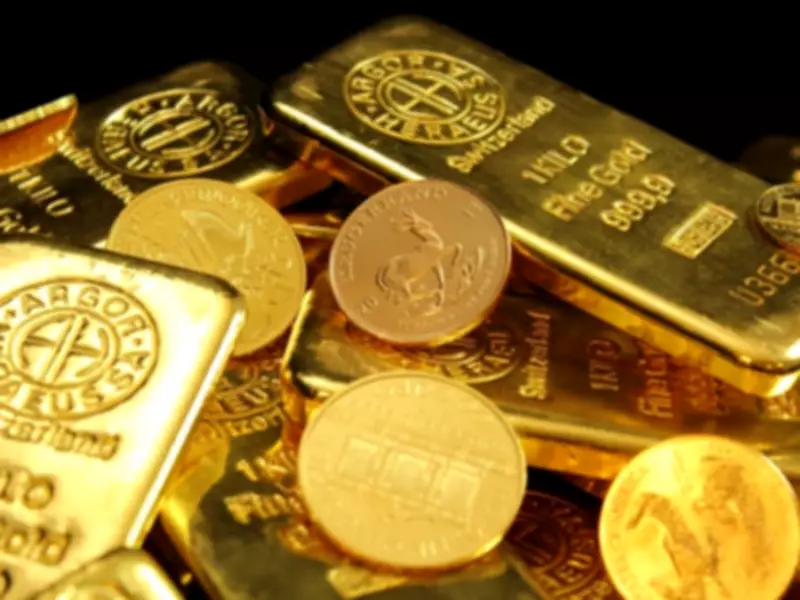
Gold Prices in Pakistan Reach Unprecedented High Amid Global Tensions
In a dramatic market movement, the price of gold in Pakistan has surged to a record-breaking Rs 541,262 per tola, marking a significant milestone in the country's commodity trading landscape. This sharp increase is primarily attributed to escalating geopolitical tensions between the United States and Iran, which have heightened global economic uncertainty and driven investors toward safe-haven assets.
Geopolitical Factors Fueling the Gold Rally
The recent spike in gold prices is closely linked to the intensifying conflict between the US and Iran, as geopolitical risks often trigger volatility in financial markets. When such tensions arise, investors typically flock to gold as a reliable store of value, seeking to protect their wealth from potential currency devaluations and stock market downturns. This trend is evident in Pakistan, where the local gold market has mirrored global patterns, with prices climbing steadily in response to international developments.
Analysts note that the US-Iran standoff has created a ripple effect across commodity markets worldwide, with gold benefiting from its traditional role as a hedge against instability. In Pakistan, this has translated into increased demand from both individual buyers and institutional investors, further pushing prices upward. The surge to Rs 541,262 per tola represents a notable jump from previous levels, underscoring the sensitivity of local markets to external geopolitical shocks.

Impact on Pakistan's Economy and Consumers
The record-high gold prices have significant implications for Pakistan's economy and its citizens. For consumers, this surge means higher costs for jewelry and other gold-based products, potentially dampening demand in the retail sector. However, for investors and traders, it presents opportunities for profit, as gold remains a preferred asset during times of crisis.
From an economic perspective, the rise in gold prices can influence inflation rates and currency stability in Pakistan. As gold becomes more expensive, it may contribute to broader price increases in the economy, affecting everything from consumer goods to investment portfolios. Additionally, the heightened demand for gold could impact the country's import bills, given that Pakistan relies on imports for much of its gold supply.
Market experts emphasize that while the current surge is driven by US-Iran tensions, other factors such as global economic policies, currency fluctuations, and domestic demand also play a role. For instance, changes in the US dollar's value or shifts in international trade dynamics can further affect gold prices in Pakistan, making it a complex and multifaceted market.
Future Outlook and Market Predictions
Looking ahead, the trajectory of gold prices in Pakistan will largely depend on the resolution or escalation of US-Iran tensions. If geopolitical risks subside, prices may stabilize or even decline as investors shift back to riskier assets. Conversely, prolonged conflicts could sustain or increase the demand for gold, keeping prices at elevated levels.
Financial advisors recommend that investors monitor global news closely and consider diversifying their portfolios to mitigate risks associated with such volatility. For the general public, understanding these market dynamics is crucial for making informed decisions about savings and investments, especially in uncertain times.
In summary, the surge in gold prices to Rs 541,262 per tola in Pakistan highlights the interconnectedness of local and global markets, driven by geopolitical events like the US-Iran tensions. This development serves as a reminder of gold's enduring appeal as a safe-haven asset and its significant impact on economic conditions in Pakistan.