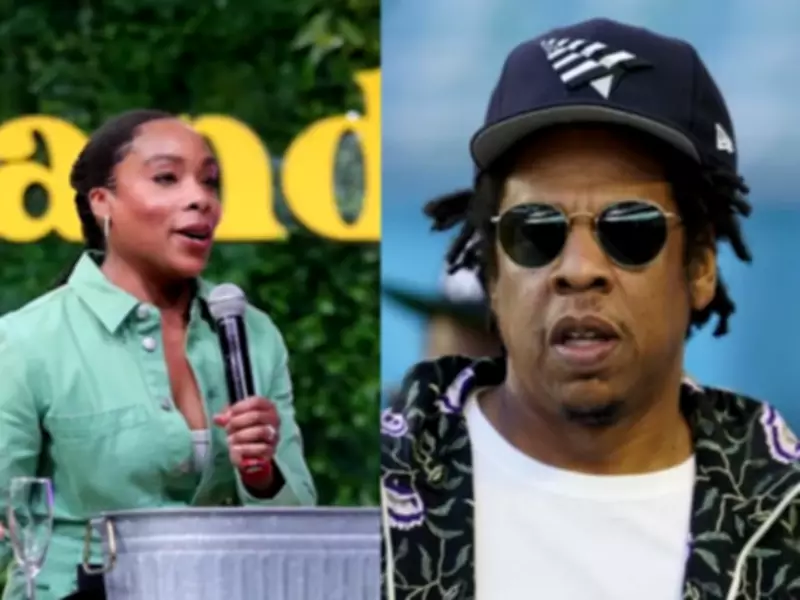
Fawn Weaver Files Defamation Lawsuit Against Farm Credit Mid-America Over Jay-Z Loan Claims
Fawn Weaver, the prominent entrepreneur behind the Uncle Nearest whiskey brand, has initiated a significant legal battle by filing a lawsuit against Farm Credit Mid-America. The lawsuit categorically denies allegations that Weaver concealed a substantial $20 million loan connected to music mogul Jay-Z. This legal action represents a forceful response to what Weaver's team describes as damaging falsehoods about the company's financial operations.
Disputing Allegations of Concealed Transactions
The legal complaint specifically challenges Farm Credit Mid-America's claims that Weaver hid the $20 million investment from Jay-Z's firm, Marcy Venture Partners. According to court documents, Weaver's attorneys argue that the lender disseminated misleading statements regarding both the company's financial health and the movement of investment funds. The lawsuit maintains that all funds from Marcy Venture Partners were properly channeled through Weaver's company, Grant Sidney, and were exclusively allocated to support Uncle Nearest's business operations.
Weaver's legal representatives emphasize that these transactions constituted legitimate corporate transfers, with neither Weaver nor Grant Sidney deriving personal financial benefit from the $20 million investment. This counters Farm Credit Mid-America's previous assertions that Weaver concealed the loan from both the lender and a court-appointed receiver overseeing Uncle Nearest's finances during its receivership period.

Controversy Over Whiskey Barrel Inventory
The lawsuit further disputes Farm Credit Mid-America's claim that approximately $21 million worth of whiskey barrels had disappeared from Uncle Nearest's inventory. Weaver's attorneys present warehouse records and inventory documentation showing the barrels were properly accounted for throughout the period in question. The legal filing notes that Farm Credit Mid-America had access to these records before making public allegations about missing inventory, suggesting the lender's claims were made without proper verification.
Background of Financial Dispute and Receivership
This legal confrontation unfolds against the backdrop of Uncle Nearest's ongoing federal receivership, initiated after allegations surfaced that the company defaulted on loans exceeding $100 million. Creditors have reportedly filed claims approaching $200 million against the whiskey brand, creating complex financial challenges for the business.
Farm Credit Mid-America had previously alleged that Weaver routed the Jay-Z investment funds through Grant Sidney specifically to shield them from creditors during Uncle Nearest's financial difficulties. However, Weaver's lawsuit characterizes these claims as part of what she describes as a misleading narrative about the company's financial management.
Protecting Brand Reputation and Seeking Legal Redress
Weaver's legal action seeks to challenge what her attorneys characterize as false statements that have damaged the reputation of Uncle Nearest, recognized as one of the fastest-growing Black-owned whiskey brands in the industry. The lawsuit represents a strategic effort to correct the public record regarding the company's financial transactions and inventory management.
The case highlights the intersection of celebrity investment, corporate finance, and brand reputation management within the competitive spirits industry. As both parties prepare for legal proceedings, the outcome may establish important precedents regarding financial disclosure requirements for companies under receivership and the legal standards for allegations of financial concealment.