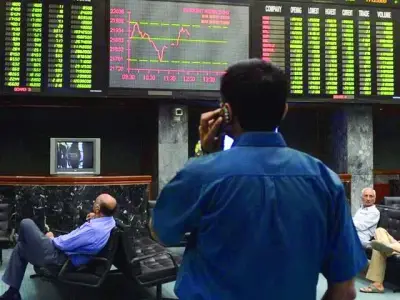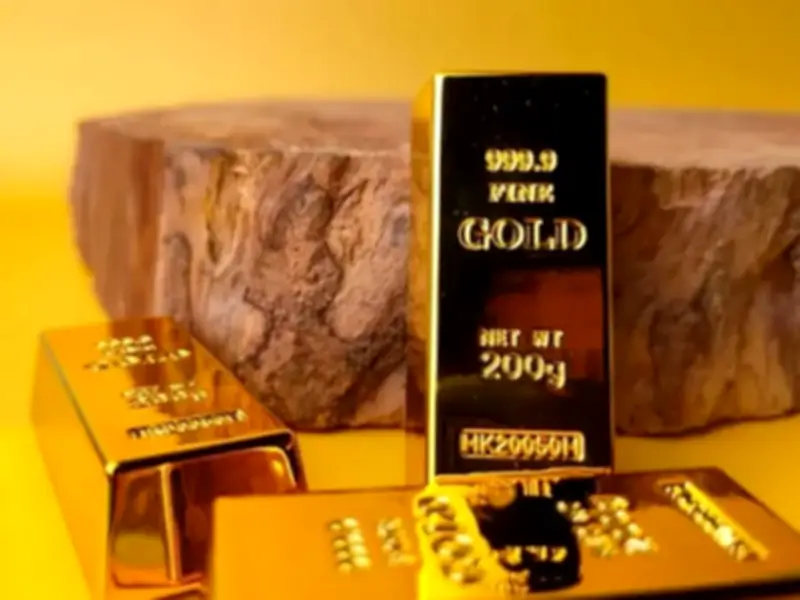
The federal budget for FY2026-27 is expected to foster a favorable environment for gold and precious metals traded on the Pakistan Mercantile Exchange (PMEX). Higher fuel levies, inflationary pressures, rupee vulnerability, and tax changes strengthen the case for safe-haven assets.
Budget Impact on Gold and Agricultural Commodities
While the budget includes several measures affecting domestic agricultural commodities, market analysts believe the most significant implications for PMEX participants are likely to emerge in the gold market. A post-budget analysis by KTrade Securities' Aahil Hirani sees gold as one of the principal beneficiaries of the budget, while higher fuel levies could create upward pressure on agricultural commodity prices.
"The government has doubled the carbon levy to Rs5 per litre from July 1, 2026. Combined with elevated global oil prices and existing fuel taxes exceeding Rs120 per litre, the measure is expected to sustain inflationary pressures while supporting the government's Rs1.727 trillion petroleum levy target for FY2026-27, signalling continued reliance on fuel taxation as a major revenue source," Hirani told The Express Tribune.

Inflationary Impact on Agricultural Commodities
The inflationary impact extends beyond the fuel pump. Pakistan's freight network remains overwhelmingly dependent on road transport. As diesel costs rise, transportation expenses for agricultural commodities, industrial inputs, and consumer goods are expected to increase.
For PMEX-traded agricultural commodities such as wheat, cotton, sugar, and palm oil, higher freight burden is expected to push up production and distribution costs. Wheat prices are likely to rise due to higher transport and fertiliser costs, while cotton faces pressure from increased energy expenses in ginning. Sugar futures may also gain support as mills absorb higher operating costs. Palm oil appears particularly exposed because Pakistan imports most of its edible oil requirements. Any increase in import-related costs, freight charges, or exchange-rate weakness is likely to be reflected quickly in domestic prices.
Gold as the Clearest Beneficiary
Despite the implications for agricultural commodities, the report argues that gold remains the clearest beneficiary of the broader macroeconomic environment emerging from the budget. Historically, gold has performed strongly during periods of high inflation, currency weakness, and geopolitical uncertainty. These conditions are expected to persist in FY2026-27.
The government's inflation projection of 8.2% assumes stable oil prices, but continued volatility in energy markets could push inflation higher. Higher inflation typically encourages investors to shift savings into assets perceived as stores of value.
Rupee Outlook and Gold Prices
Pakistan imports most of its gold requirements, meaning local gold prices are largely determined by international bullion rates and the rupee-dollar exchange rate. Rising oil prices increase the import bill and pressure foreign exchange reserves, potentially weakening the currency. Hirani notes that any rupee depreciation is quickly reflected in domestic gold prices.
With fuel taxes tied to government revenue targets and International Monetary Fund (IMF) commitments, there is limited scope to protect consumers from higher oil prices. As a result, elevated energy costs could continue to pressure the current account and weaken the rupee during FY2026-27.
Tax Changes and Gold Market
The abolition of the capital value tax on certain foreign assets provides a positive signal for the gold market. While not expected to trigger an immediate surge in demand, it could encourage greater formal ownership and disclosure of gold holdings, particularly among investors with overseas assets. The removal of the tax also reduces compliance costs associated with holding precious metals.
However, some factors could moderate demand. The budget includes tax measures and higher indirect levies expected to compress disposable incomes for many households, which could weigh on jewellery purchases and discretionary consumer demand for gold, particularly in lower and middle-income segments.

Nevertheless, the analyst argues that the inflation-hedge and currency-protection functions of gold are likely to outweigh any reduction in jewellery demand. As a result, the overall outlook for PMEX gold contracts remains favourable relative to most other commodity classes.
For PMEX participants, the budget's clearest signal may be that while higher fuel costs are set to ripple through agricultural commodity markets, the strongest investment case in FY2026-27 could remain centred on gold, the report concluded.