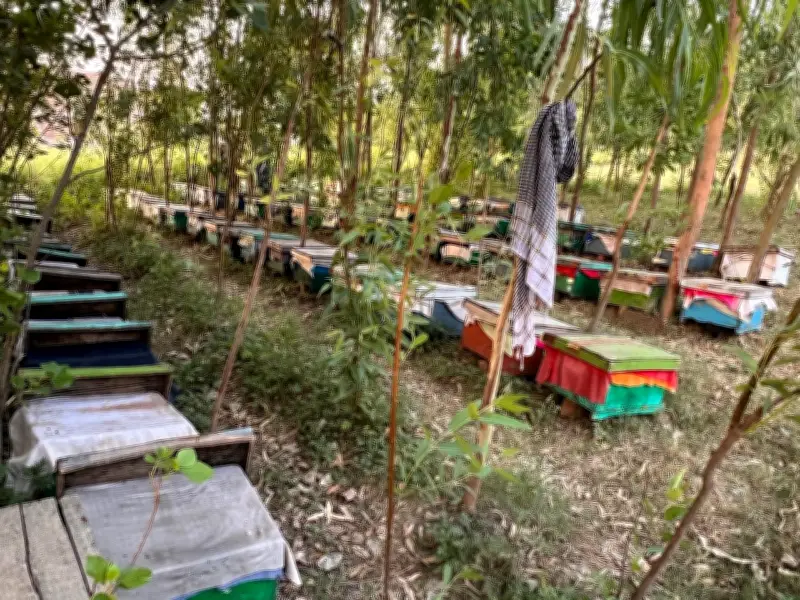
Beekeepers in Khyber-Pakhtunkhwa (K-P) are facing unprecedented challenges as climate change disrupts traditional honey production cycles. Rising temperatures, unpredictable rainfall, and shifting flowering seasons have led to significant declines in honey yields, threatening the livelihoods of thousands of families dependent on apiculture.
Impact of Climate Change on Beekeeping
The once-predictable patterns of flora bloom have become erratic, leaving bees with insufficient forage. Beekeepers report that colonies are weaker and more susceptible to diseases. In some areas, entire apiaries have been wiped out due to extreme weather events such as heatwaves and unseasonal rains.
Economic Consequences
Honey production in K-P has dropped by nearly 40% over the past five years, according to local estimates. This decline has forced many beekeepers to abandon the profession or migrate to other regions in search of better conditions. The loss of income has also affected ancillary industries, including packaging and marketing.

Adaptation Strategies
Some beekeepers are attempting to adapt by moving their hives to higher altitudes where temperatures are cooler and flowering seasons are more stable. Others are investing in supplemental feeding and disease management. However, these measures require capital that many small-scale beekeepers lack.
Government and Institutional Response
The provincial government has launched initiatives to support the beekeeping sector, including training programs on modern apiculture techniques and the distribution of disease-resistant bee strains. However, beekeepers argue that more comprehensive policies are needed to address the root causes of climate change and provide financial safety nets.
Call for Research and Support
Experts emphasize the need for research into climate-resilient bee species and sustainable practices. They also urge the government to include beekeeping in its climate adaptation plans and to provide subsidies for equipment and insurance against weather-related losses.
The plight of K-P's beekeepers highlights the broader impact of climate change on agriculture and rural economies. Without urgent intervention, this vital sector may face irreversible damage, further exacerbating poverty and food insecurity in the region.