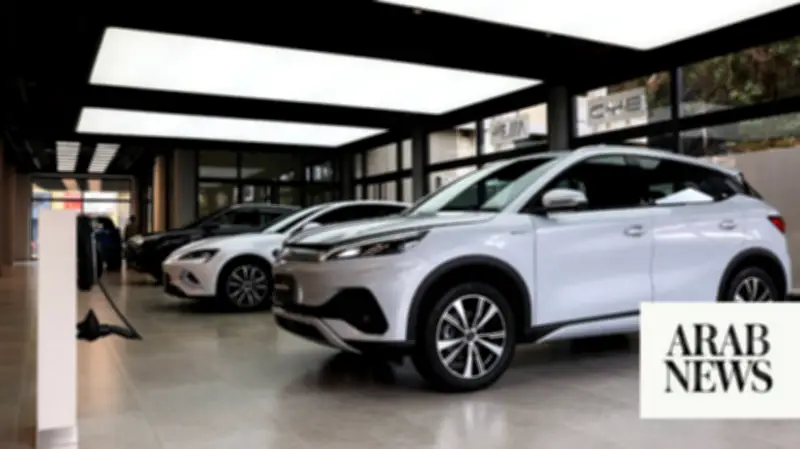
Pakistan aims to establish 3,000 electric vehicle (EV) charging stations nationwide by 2030 to support an anticipated 2.2 million EVs on its roads, a senior lawmaker said on Saturday. However, parliamentarians warned this week that the infrastructure plan remains inadequate to address the country's severe energy crisis.
Government's Green Energy Push
The strategy is central to Islamabad's green energy policies, which target transitioning 30 percent of all new vehicle sales to electric power by the end of the decade. This move is intended to curb Pakistan's massive fossil fuel import bill. The Senate Standing Committee on Industries and Production reviewed the plan a day earlier and expressed concerns that the current footprint leaves the country ill-prepared for mass EV adoption.
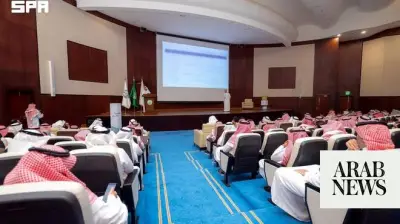
Senator Khalida Ateeb, who chaired the meeting, told Arab News: “The Committee was informed that the Government aims to establish 3,000 electric vehicle charging stations by 2030, adding that more than 72 licenses for the installation of electric charging stations have already been issued.” She noted that lawmakers believed the plan severely understated urban realities.

Karachi's Needs Highlight Infrastructure Gap
Senator Saleem Mandviwalla pointed out during the meeting that the southern megacity of Karachi alone would require 4,000 to 5,000 stations. He recalled his own difficulties finding chargers while traveling and stressed the need to extend infrastructure to remote areas.
Ateeb emphasized that the government must build a much larger network to support citizens and make alternative energy viable. “We believe that the number is insufficient when we want to move to EVs to save energy,” she added. “Since people are bringing in electric vehicles, we will have to facilitate them accordingly. We must facilitate people outdoors so that they can charge their vehicles wherever they need to.”
Officials Highlight Technological Advances
Officials sought to address concerns by highlighting alternative charging methods and technological updates. According to an official statement released after the committee meeting, the Secretary of Industries and Production informed lawmakers that electric motorcycles equipped with three to seven kilowatt batteries require only a standard 220-volt power supply for charging. He added that advancements have pushed EV driving ranges to 400–500 kilometers, drawing infrastructure interest from various firms.
Current EV Adoption and Manufacturing
Pakistan's transport sector remains overwhelmingly dependent on petroleum, with the vast majority of the country's estimated 31 to 33 million registered vehicles relying on internal combustion engines. Yet the domestic transition has quietly accelerated. Officials told the committee that over 12,800 electric cars and roughly 160,000 electric motorcycles have already been manufactured locally.
“The Committee was further informed that approximately 2.2 million electric vehicles of different categories are projected to be on Pakistan’s roads by 2030,” the statement added.
Subsidies and Market Developments
To boost these numbers, Islamabad has rolled out a Rs9 billion ($32.3 million) subsidy for two- and three-wheelers, providing buyers with an Rs80,000 ($287) cash cushion per electric bike. According to reports, these shifts are vital to unlocking billions in fuel import savings and protecting thin foreign exchange reserves against oil shocks. Global brands, including Chinese giant BYD, have also announced plans to enter the local assembly market.
Focus on Affordable Vehicles
Ateeb stressed that to survive the petrol crisis, policy focus must shift toward vehicles the public can actually afford. “If we believe that electric vehicles are crucial and that we must promote them to overcome the petrol crisis, then we should focus on smaller cars,” Ateeb said, noting a special sub-committee has been formed to tackle ongoing EV hurdles. “We cannot really talk about big luxury cars because we are a middle-class country,” she added. “Therefore, we must promote smaller cars, such as 600cc, 800cc or up to 1000cc.”