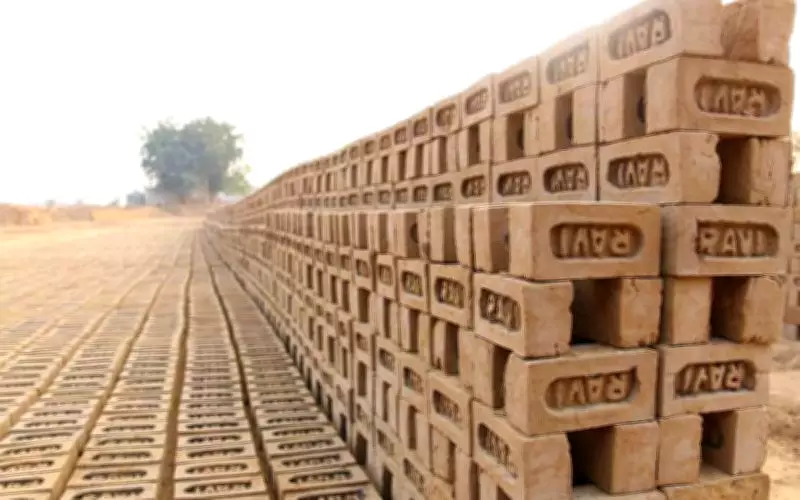
The adoption of zigzag brick kilns in Pakistan has been marked by hybrid practices and incomplete implementation, raising concerns about their effectiveness in reducing emissions and improving working conditions. While the technology promises significant environmental and health benefits, the reality on the ground reveals a complex picture of partial adoption and regulatory gaps.
Current State of Zigzag Brick Kilns
Zigzag brick kilns, designed to reduce coal consumption and lower air pollution, have been promoted as a cleaner alternative to traditional fixed chimney kilns. However, a recent assessment indicates that many kilns operate in a hybrid mode, combining elements of both old and new technologies. This incomplete transition undermines the potential benefits, as emissions remain higher than expected and energy efficiency gains are not fully realized.
Hybrid Practices and Their Impact
Hybrid practices refer to the mixing of zigzag technology with conventional methods, often due to cost concerns or lack of technical know-how. For instance, some kilns have partially modified their chimneys but retained traditional firing techniques. This results in inconsistent combustion, leading to higher emissions of particulate matter and greenhouse gases. Workers also continue to face health risks from smoke and heat exposure, as the full safety features of zigzag kilns are not implemented.

Moreover, the incomplete implementation is exacerbated by weak enforcement of environmental regulations. The Pakistan Environmental Protection Agency (EPA) has set deadlines for conversion, but compliance remains low. Many kiln owners cite financial constraints and insufficient technical support as barriers to full adoption.
Environmental and Health Consequences
The partial adoption of zigzag technology has limited the expected environmental gains. While some reduction in coal use has been observed, the overall air quality improvement in brick kiln clusters is marginal. The incomplete combustion also contributes to smog formation, particularly in winter months. Health surveys indicate that respiratory illnesses among kiln workers and nearby residents remain prevalent, suggesting that the benefits of cleaner technology are not reaching vulnerable populations.
Challenges to Full Implementation
Several factors contribute to the incomplete implementation of zigzag brick kilns:
- Financial Barriers: The upfront cost of converting to a full zigzag system is high, and many small-scale kiln owners lack access to affordable credit or subsidies.
- Technical Gaps: There is a shortage of trained technicians to design and maintain zigzag kilns, leading to suboptimal operation.
- Regulatory Weakness: Enforcement of environmental standards is inconsistent, with limited inspections and penalties for non-compliance.
- Lack of Awareness: Some kiln owners and workers are not fully informed about the long-term benefits of complete conversion, preferring familiar traditional methods.
Policy Recommendations
To address these challenges, experts recommend a multi-pronged approach:
- Financial Incentives: Provide low-interest loans or grants to kiln owners for full conversion, along with technical assistance.
- Capacity Building: Train local technicians and establish demonstration kilns to showcase best practices.
- Strengthen Enforcement: Increase inspections and impose stricter penalties for non-compliance, while also offering compliance support.
- Community Engagement: Raise awareness among workers and communities about the health and environmental benefits of zigzag kilns.
Conclusion
The incomplete implementation of zigzag brick kilns in Pakistan highlights the challenges of transitioning to cleaner technologies in the informal sector. Without addressing financial, technical, and regulatory barriers, the potential benefits of this technology will remain out of reach. A coordinated effort by government, industry, and civil society is essential to achieve full adoption and realize the promised environmental and health improvements.