The Colorado River Crisis: A Looming Water Shortage in the Western United States
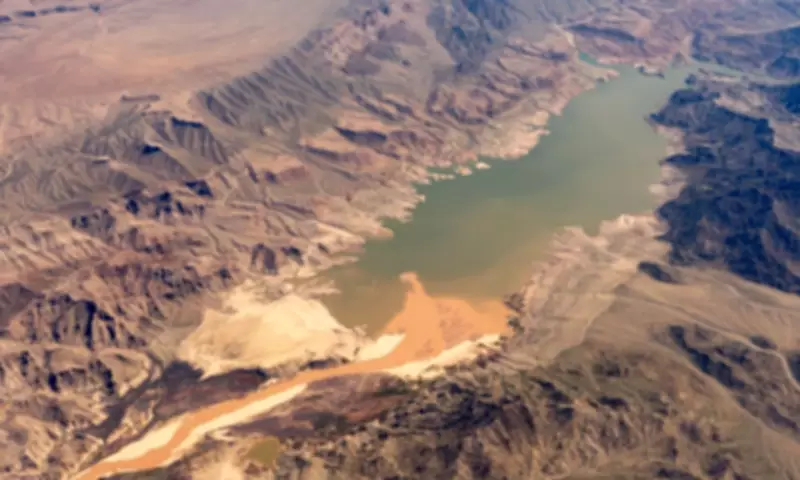
More than one in ten Americans depend on the Colorado River for their daily water needs, including drinking, bathing, and sanitation. However, a decades-long drought in the western United States, combined with rapidly declining river levels, has transformed this vital resource into a source of intense conflict. Disputes are escalating over which regions and sectors should implement water cuts, threatening the stability of water access for millions.
Decades of Drought and Political Stalemate
The Colorado River Compact, which includes seven states—California, Arizona, Colorado, Utah, Nevada, New Mexico, and Wyoming—along with parts of Mexico and over twenty tribal nations, failed to meet a Valentine's Day deadline for a new water allocation agreement. With current rules set to expire this fall, the absence of a deal raises the specter of federal intervention. The U.S. Department of the Interior has proposed five options for the river's future, ranging from voluntary and mandated cuts to a dire "no action" scenario, but uncertainty prevails.
Record low snowfall this winter has exacerbated the crisis, straining an already fragile system. Localities across the West have responded with conservation measures, such as water recycling programs, removing grass lawns, and imposing higher rates for excessive household use. Yet, these efforts may be insufficient without addressing the root cause of the water shortage.

The Hidden Culprit: Cattle Farming and Water Consumption
Agriculture accounts for approximately 75% of annual Colorado River water usage, according to a 2024 study in Nature Communications Earth & Environment. Within this sector, cattle farming emerges as the primary consumer. Nearly half of the river's water is dedicated to growing alfalfa and other hay types, which are almost exclusively used to feed beef and dairy cattle. Additional crops like corn, wheat, and cotton, also irrigated with Colorado River water, further support livestock, bringing the total share for animal feed to at least 47%.
This allocation has significant economic and environmental implications. For instance, in Utah, alfalfa cultivation uses 70% of the state's water while contributing only 0.2% to its GDP. Moreover, cattle methane emissions exacerbate climate change, accelerating water shortages through increased drought severity. Despite this, public discourse often overlooks the role of cattle farming, focusing instead on less impactful targets like golf courses or data centers.
Legal and Systemic Challenges
Water rights in the West are governed by the "prior appropriation" doctrine, which grants indefinite usage rights to those who first claimed them, primarily farmers in the 1800s. This system prioritizes senior rights holders, making it difficult to reallocate water even as needs evolve. John Matthews, executive director of the Alliance for Global Water Adaptation, describes it as "a stupid system" but notes that stakeholders are deeply invested in its continuation.
Potential solutions include paying farmers to fallow fields or allowing water rights sales to municipalities. However, negotiations remain deadlocked, with Lower Basin states committing to cuts while Upper Basin states resist, citing historical overconsumption by California and Arizona. The stalemate reflects a century-old conflict that shows no signs of resolution.
Toward a Sustainable Future
Addressing the Colorado River crisis requires a fundamental shift in water management and consumption patterns. Policymakers, food companies, and consumers must confront the reliance on meat and dairy production in arid regions. Without challenging this status quo, conservation efforts like lawn removal or shorter showers will remain symbolic, failing to mitigate the core issue.
As drought conditions worsen, the West faces an urgent choice: continue prioritizing cattle farming at the expense of water security or innovate toward a more sustainable allocation of this precious resource. The future of tens of millions of Americans hangs in the balance, dependent on bold actions to preserve the Colorado River for decades to come.