Pakistan Launches Innovative Project to Transform Banana Waste into Sustainable Textile Fibre
The Small and Medium Enterprises Development Authority (Smeda), in collaboration with the Food and Agriculture Organisation (FAO) and other key partners, has officially launched a groundbreaking project aimed at converting banana waste into eco-friendly textile fibre. This initiative is designed to promote bio-economy and circular growth in Pakistan, aligning with the Ministry of Industries and Production's efforts to achieve national economic objectives.
Workshop and Project Launch Details
The project was formally introduced during a workshop titled "Bananas in Pakistan's Bio-economy: Transforming Waste into Textile", held on the sidelines of the "Made in Pakistan – SME Cluster Showcase Expo 2026". This event brought together policymakers, development partners, researchers, and entrepreneurs to explore the potential of banana waste as a sustainable raw material for the textile and allied industries.
Smeda officials have confirmed that the project is part of the Elimination of Hazardous Chemicals from Supply Chains Integrated Programme, which is funded by the Global Environment Facility (GEF) and executed by UN agencies, with implementation partners spanning eight countries.

Key Partners and Climate Resilience Focus
Recognizing the importance of climate-resilient initiatives, Smeda will serve as the lead executing partner, working alongside the Ministry of Climate Change and Environmental Coordination, Sindh government departments, FAO, and the National Textile University. This collaborative effort is expected to play a vital role in helping Pakistan combat climate-related issues while contributing to national economic growth.
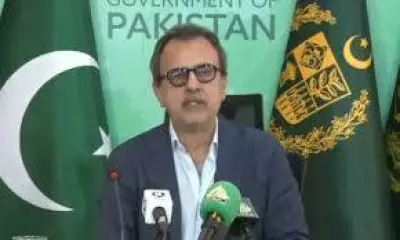
Speaking at the event, Smeda GM Gender & Sustainability Sheharyar Tahir outlined the project's timeline from 2026 to 2031, with plans to engage 40,000 women and involve young students. He cited studies indicating that banana crops in Pakistan are cultivated over 40,000 hectares, with tonnes of produce being discarded or burned annually.
"This waste can be utilized to extract raw banana fibre and manufacture products related to textiles, handicrafts, bags, packaging, and more," Tahir emphasized. He highlighted that the initiative will focus on pilot projects, technology transfer, training and capacity building, certification support, market linkages, and the development of traceability systems.
Addressing Climate Vulnerability and Economic Opportunities
FAO Programme Assistant Amina Bajwa noted that Pakistan ranks among the most climate-vulnerable countries, facing challenges such as agricultural emissions, residue burning, and environmental degradation. She stressed that converting banana waste into high-value products offers a practical solution to reduce pollution while creating new income streams.
"Collaborative efforts will enable Pakistan to generate revenue and mark the beginning of a journey towards sustainable bio-economy solutions," Bajwa added.
Ministry of Climate Change Senior Joint Secretary Muhammad Ijaz Ghani described the project as inspirational and socially inclusive, with the potential to contribute to Pakistan's largest export sector—textiles. He underscored the importance of addressing pollution and resource depletion, praising Smeda for advancing climate-friendly initiatives aligned with national priorities.
"Projects like this are instrumental in promoting the circular economy," Ghani stated, noting that the Ministry of Climate Change has undertaken several initiatives to mitigate the adverse effects of climate change. He called for shared perspectives and insights to achieve economic objectives.
Project Framework and Challenges
Habibur Rehman (NTU-FAO) presented the FAO project framework, explaining that the initiative aims to reduce Pakistan's dependence on imported cotton while tackling pollution from agricultural waste. He identified key barriers, including regulatory gaps, limited finance, weak institutional coordination, and value-chain gaps.

This comprehensive project represents a significant step towards sustainable development in Pakistan, leveraging local resources to foster economic growth and environmental stewardship.